Daijiworld Media Network - New Delhi
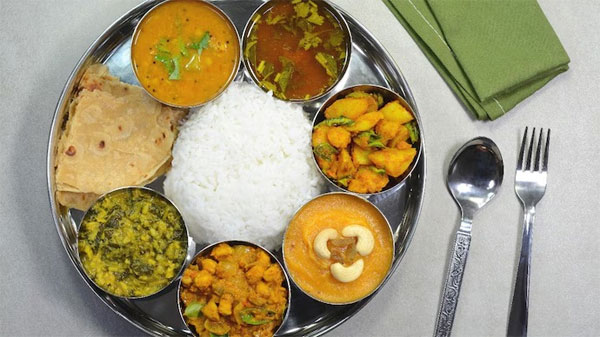
New Delhi, Dec 10: Nearly half of India’s at-home protein intake now comes from cereals such as rice, wheat, suji, and maida, according to a new study released on Wednesday. While the average Indian consumes an adequate 55.6 grams of protein per day at home, researchers warn that the quality of this protein is poor due to cereals’ limited amino acid profile and low digestibility.
The analysis, conducted by the Council on Energy, Environment and Water (CEEW), highlights significant nutritional imbalances across households. The study found widespread under-consumption of vegetables, fruits, and pulses, alongside excessive use of cooking oil, salt, and sugar. Apoorve Khandelwal, Fellow at CEEW, described the findings as evidence of “a silent crisis” in India’s food system, shaped by heavy dependence on cereals and oils while diverse, nutrient-rich foods remain underconsumed.
Khandelwal noted stark inequalities in access to nutritious food. Individuals in the poorest decile consume only 2–3 glasses of milk and fruit equal to two bananas per week, compared to 8–9 glasses of milk and 8–10 bananas among the richest households. She added that India’s reliance on a narrow crop base not only limits dietary diversity but also weakens its climate resilience, underscoring the need for national-level diversification “from fork to farm.”
Drawing on data from the 2023–24 NSSO Household Consumption Expenditure Survey, the study revealed that cereals and cooking oils continue to dominate Indian diets. Nearly 75 percent of carbohydrates come from cereals, and cereal intake remains 1.5 times the recommended dietary allowance, largely due to widespread access to subsidised rice and wheat through the Public Distribution System (PDS).
Meanwhile, coarse grain consumption—including jowar, bajra, and ragi—has plummeted by almost 40 percent per capita in the past decade, leaving Indians meeting just 15 percent of the recommended intake. The study also flagged soaring fat intake, reporting that the proportion of households consuming more than 1.5 times the recommended fat levels has more than doubled, with wealthier families consuming nearly twice as much fat as lower-income groups.
To address these gaps, the report recommends reforming major public food programmes—including the PDS, PM POSHAN, and Saksham Anganwadi & POSHAN 2.0—to move beyond cereal-heavy distribution and make nutrient-dense foods such as coarse grains, pulses, milk, eggs, fruits, and vegetables more accessible nationwide.