Daijiworld Media Network - New Delhi
New Delhi, Dec 8: A promising antibody-based therapy that targets both immune and cancer cells has shown the potential to wipe out residual traces of multiple myeloma, a deadly blood cancer, according to interim results from a clinical trial.
The trial involved 18 patients who received up to six cycles of the bispecific antibody linvoseltamab. Remarkably, none of the patients showed any detectable disease on highly sensitive tests, researchers reported at the American Society of Hematology (ASH) annual meeting in Orlando, US.
The early findings raise hope that linvoseltamab could eventually help eligible patients avoid bone marrow transplants, which require high-potency chemotherapy and come with significant risks.
“These patients received modern and effective, up-front treatment that eliminated 90 per cent of their tumour,” said lead investigator Dr. Dickran Kazandjian of the University of Miami’s Miller School of Medicine. “Usually, patients like these would receive high-dose chemotherapy and transplant. Instead, we give them a treatment with the drug linvoseltamab.”
Researchers described the results as “extremely impressive”, noting that the disappearance of lingering myeloma cells indicates a strong immune response and bodes well for long-term outcomes. While the therapy may keep the disease at bay for years, they cautioned that relapse cannot be entirely ruled out.
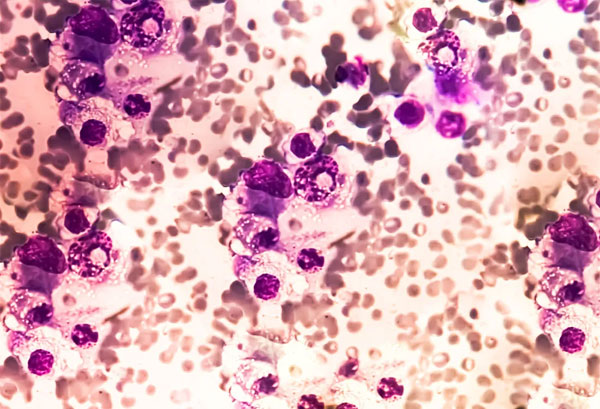
Multiple myeloma develops from plasma cells—the immune cells that produce antibodies. When these cells turn cancerous, they accumulate in the bone marrow, disrupt normal blood cell production, and cause organ damage. Although treatments have improved, there is still no established cure.
Linvoseltamab works by binding simultaneously to CD3, a protein on tumor-killing T cells, and BCMA, a protein found on myeloma cells. This forces the two cells into close contact, triggering a targeted immune attack.
Some patients experienced side effects such as neutropenia (low white blood cell levels) and upper respiratory infections, but all adverse events remained within an acceptable safety range, Kazandjian noted.
Given its encouraging performance, researchers believe linvoseltamab could eventually provide patients with long-lasting disease control, potentially amounting to a “functional cure.”