Daijiworld Media Network - New Delhi
New Delhi, Dec 6: India is witnessing a sharp rise in demand for surgeons trained in complex revision knee and hip replacement procedures as the country’s ageing population and failing artificial joints create an increasing medical burden, experts said on Saturday.
Revision arthroplasty — a surgery performed when an artificial hip or knee joint wears out, loosens, or fails — is becoming more common as implants installed 15–20 years ago begin to reach the end of their lifespan. Artificial joints typically last only 20–25 years, making wear and tear inevitable.
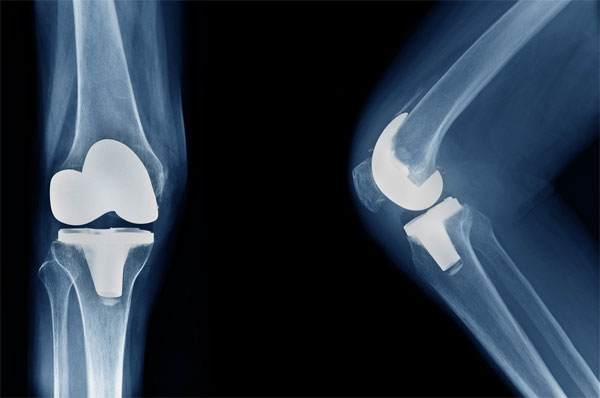
Prof Vijay Kumar of AIIMS noted that the surge in degenerative arthritis cases over the past two decades led to a substantial number of joint replacements in elderly patients, many of which now require corrective procedures. “The burden of revision surgeries is going to increase as implants wear out, infections develop, or complications arise,” he said.
Experts at the three-day Revision Arthroplasty Conference (RAC) 2025 stressed that revision surgeries are significantly more demanding than primary joint replacements. Unlike initial procedures, revision surgeries involve removing an existing implant — often associated with bone loss — and require advanced techniques, detailed planning, and extensive experience.
Dr Samarth Mittal of the JPNA Trauma Centre at AIIMS warned that India’s lack of specialised training for revision work could lead to premature implant failure, repeat surgeries, high treatment costs, and long-term mobility issues.
Echoing this concern, Dr (Prof.) Anil Arora, a leading robotic joint replacement surgeon and organising chairman of RAC 2025, said India is entering a phase where specialised revision surgeons are essential, not optional.
He highlighted that revision cases demand advanced implants, sophisticated tools, and the ability to manage complications such as aseptic loosening, implant wear, infections, periprosthetic fractures, and joint instability.
“India urgently needs more skilled revision surgeons to meet the rising demand,” Arora said, emphasising that without targeted workforce development, the healthcare system may struggle to manage the growing population of failing implants.