Daijiworld Media Network - New Delhi
New Delhi, Nov 2: Drugs commonly used to manage diabetes and promote weight loss may also offer reproductive health benefits to women with polycystic ovary syndrome (PCOS), according to a new review of existing research published in Cureus.
Researchers from Nova Southeastern University in Davie, USA, examined evidence on the gynecologic and reproductive effects of glucagon-like peptide-1 receptor agonists (GLP-1RAs) in women with PCOS. The findings suggest potential improvements in menstrual regularity, ovulation and hormonal imbalances, although the researchers cautioned that the available evidence remains limited.
PCOS, also referred to in some discussions as polyendocrine metabolic ovarian syndrome (PMOS), is one of the most common endocrine disorders affecting women of reproductive age. It is frequently associated with obesity, insulin resistance, abnormal cholesterol levels and an increased risk of diabetes.
Lifestyle changes and weight management remain important components of PCOS care, particularly among women who are overweight or obese. However, maintaining weight loss can be challenging, prompting growing interest in medicines that address metabolic dysfunction.
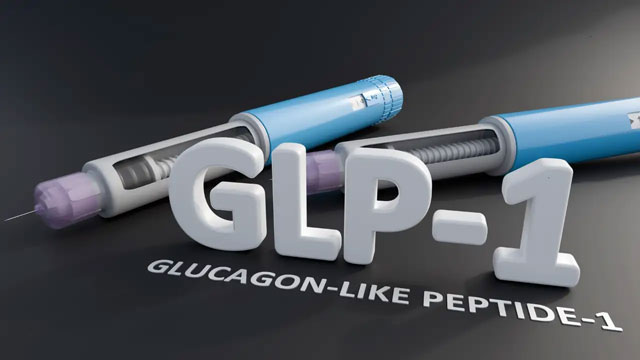
GLP-1RAs, including liraglutide, exenatide and semaglutide, are increasingly being studied for their potential benefits beyond blood sugar control and weight reduction.
For the review, researchers searched the Nursing and Allied Health Premium, Web of Science, Embase and PubMed databases for studies examining GLP-1RA treatment and reproductive or gynecologic outcomes in women with PCOS.
The search identified 1,416 records. After removing duplicates, researchers screened 697 unique records and assessed 76 full-text articles, eventually including 28 studies in the review. Liraglutide was examined in 15 studies, exenatide in five and semaglutide in four.
The researchers reviewed outcomes relating to menstrual function, ovulation, fertility, pregnancy, ovarian function, reproductive hormones and excess androgen levels. Metabolic changes were also considered.
Improvements in menstrual function and ovulation
Menstrual function was assessed in 13 studies. Three reported improvements in the frequency or regularity of menstrual cycles following GLP-1RA treatment, particularly among women who experienced significant weight loss.
Some studies found that menstrual regularity was restored among participants receiving liraglutide, exenatide, semaglutide or combination treatment with metformin. Two studies also reported improvements in bleeding patterns and reductions in amenorrhea, or the absence of menstrual periods.
However, other studies found no significant changes in menstrual outcomes.
Fertility, pregnancy and ovulation were examined in nine studies. Some reported improved ovulation rates following GLP-1RA treatment, particularly when the medicines were combined with metformin.
A small randomised pilot trial involving 28 women found higher pregnancy rates during subsequent in-vitro fertilisation (IVF) treatment among those who received liraglutide combined with metformin before conception, compared with those who received metformin alone.
Individual reports also described spontaneous pregnancies following weight loss during GLP-1RA treatment, sometimes alongside other metabolic therapies. However, the review did not evaluate the safety of these medicines during pregnancy. Separate clinical guidance recommends discontinuing GLP-1RAs before planned conception because safety data during pregnancy remain limited.
Hormonal improvements show promising results
Hyperandrogenism, a condition involving excessive levels of male hormones such as testosterone, was assessed in 18 studies and emerged as the reproductive outcome showing the most consistent improvement.
Several studies reported reductions in total and free testosterone, androstenedione and the free androgen index, along with increases in sex hormone-binding globulin. Some also found lower luteinising hormone levels following treatment.
Certain studies reported improvements in physical symptoms associated with excess androgen levels, including excessive hair growth and acne, although findings were inconsistent.
Research examining ovarian morphology and function was more limited. Two studies assessed these outcomes, with some reporting favourable changes in ovarian volume but inconsistent results for other ovarian measures.
Exploratory studies also examined follicular development and changes in endometrial gene expression that could be relevant to embryo implantation. However, these findings did not establish that GLP-1RA treatment improves the receptivity of the uterine lining.
Weight loss may play an important role
Nearly all studies included in the review examined metabolic outcomes and reported reductions in body weight, body mass index and insulin resistance, alongside improvements in glucose regulation.
The researchers observed that reproductive improvements frequently occurred alongside these metabolic benefits. However, few studies investigated whether the reproductive changes resulted directly from GLP-1RA treatment or were mainly associated with weight loss and improved insulin sensitivity.
The review also had several limitations. It did not include a formal critical appraisal of study quality or assess the risk of bias and certainty of evidence. It was restricted to English-language publications and included studies involving combination therapies as well as dual glucagon-like peptide-1 and glucose-dependent insulinotropic polypeptide receptor agonists.
Several studies also involved small participant groups, short follow-up periods or treated reproductive outcomes as secondary measures.
Overall, the findings indicate that GLP-1RAs may offer potential gynecologic and reproductive benefits to women with PCOS in addition to their metabolic effects. Improvements in biochemical markers of excess androgen levels were the most consistent, while evidence relating to menstrual function was mixed. Findings on fertility, pregnancy and ovulation were promising but remain limited.
The researchers said larger randomised controlled trials are needed to directly evaluate reproductive outcomes and determine whether the benefits are independent of weight loss and improved insulin sensitivity.