Daijiworld Media Network - Panaji
Panaji, Oct 14: The Goa government on Tuesday launched the Chief Minister’s Medical Assistance Cell scheme, offering financial assistance of up to Rs 2 lakh to eligible residents for medical treatment.
Chief Minister Pramod Sawant said beneficiaries would receive assistance covering up to 30 per cent of their treatment costs, subject to a maximum limit of Rs 2 lakh. The scheme is available to individuals who have been residing in Goa for at least 15 years.
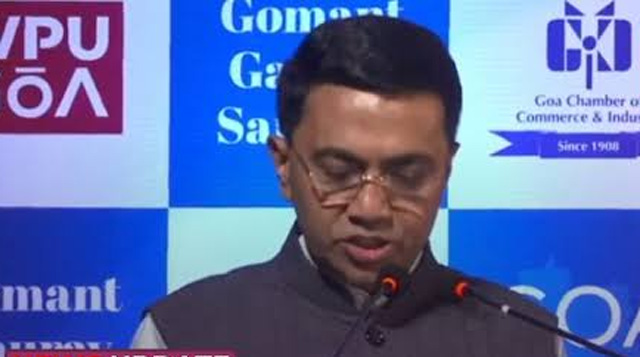
Describing the initiative as a people-centric welfare measure, Sawant said it aims to ease the financial burden on families facing medical emergencies. Applicants must submit the required documents and complete the application process to receive assistance.
Applications can be submitted online or offline. Residents can obtain information through the dedicated helpline number 14524. Application forms are available through the Department of Planning and Statistics and the Goa Online portal.
Sawant said the new scheme would strengthen the state's healthcare safety net, which already includes programmes such as the Deendayal Swasthya Seva Yojana (DDSSY), Mediclaim and Ayushman Bharat.
Highlighting the impact of DDSSY, the chief minister said more than 2.71 lakh people had benefited from the scheme since its launch by former chief minister Manohar Parrikar. The government spends nearly Rs 70 crore annually on its implementation.
Sawant also highlighted the availability of free treatment at various health centres and Goa Medical College and Hospital. Preventive healthcare initiatives, including regular health screenings and Ayurveda-based wellness campaigns, are also being conducted across the state.
He said the government remained committed to expanding access to affordable and quality healthcare.
Health Minister Vishwajit Rane, Chief Secretary Dr V Candavelou, Health Secretary Yatindra Maralkar, Pranav Bhatt and other senior officials attended the launch.
The new assistance scheme is expected to provide additional financial support to patients, particularly those requiring costly medical treatment that may not be fully covered under existing programmes.