Daijiworld Media Network - New Delhi
New Delhi, Aug 23: Improvements in insulin sensitivity may not always be immediately reflected in blood-test results. In some cases, the body may show subtle physical changes, including a reduction in waist size and improvement in certain skin conditions associated with insulin resistance, according to a doctor.
Dr Vijay Dutta, Director, Internal Medicine and Respiratory Services, ISIC Multispecialty Hospital, Delhi, said changes in the skin and abdominal fat may provide useful indications that the body is responding better to insulin, although they cannot independently confirm improved insulin sensitivity.
One of the more noticeable skin changes can involve acanthosis nigricans, a condition that causes dark, thickened and velvety patches of skin, particularly around the neck and underarms.
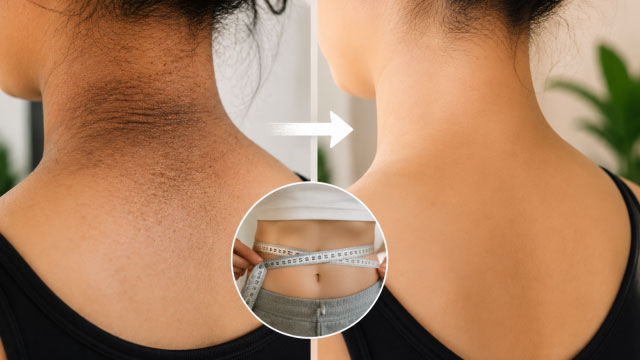
Dr Dutta said these dark, velvety patches may gradually become less prominent as insulin sensitivity improves and insulin levels become better regulated.
The skin may also show other changes. According to the doctor, improved metabolic and hormonal balance may sometimes be accompanied by clearer skin and fewer acne breakouts.
However, clearer skin or a reduction in acne should not be considered a standalone indicator of improved insulin sensitivity, as several factors can influence skin health.
The waistline may provide another useful clue. Rather than focusing only on the number displayed on a weighing scale, attention should also be paid to where fat is stored, particularly around the abdomen.
Dr Dutta stressed the importance of reducing belly fat because abdominal fat is closely associated with insulin resistance. Even a modest reduction in waist circumference, he said, can indicate an improvement in metabolic wellbeing.
Improved insulin sensitivity enables the body to use glucose more efficiently. Better glucose utilisation may, over time, reduce the tendency towards excess fat accumulation and contribute to a healthier distribution of body fat.
This means that a person may not necessarily see a significant change in overall body weight while still experiencing positive metabolic changes. A gradual reduction in waist circumference can therefore be encouraging even when the weighing scale shows little movement.
Insulin sensitivity refers to how effectively the body's cells respond to insulin and use glucose for energy. When insulin sensitivity improves, the body generally becomes more efficient at managing blood sugar and using available energy.
Over time, this improvement may be accompanied by reduced abdominal fat and changes in skin conditions linked with elevated insulin levels.
Dr Dutta said such visible changes can be encouraging for people working to improve their metabolic health and may motivate them to continue healthy lifestyle practices.
However, physical changes alone cannot establish whether insulin sensitivity has improved. A smaller waist or improvement in darkened skin patches should be viewed as possible clues rather than replacements for appropriate medical assessment and blood tests.
The time required for visible changes also varies considerably from person to person. Factors including diet, physical activity, lifestyle, overall health and the extent of insulin resistance can influence how quickly improvements become noticeable.
Therefore, progress does not necessarily have to mean a dramatic fall in body weight or a sudden transformation in skin appearance. A gradual reduction in waist size or improvement in insulin-related skin changes may simply be subtle signs that lifestyle changes are producing positive effects.