Daijiworld Media Network - Kolkata
Kolkata, Aug 21: The Indian Institute of Science (IISc), Bengaluru, is using artificial intelligence (AI) to develop broadly neutralising antivenoms that could potentially treat bites from multiple snake species, addressing a major public health challenge that claims tens of thousands of lives in India every year.
“India loses an estimated 58,000 lives to snakebite every year. The remarkable diversity of snake venoms across species and regions makes this an enormously challenging scientific problem, and one where AI can help us analyse data at a scale and speed that were previously difficult to achieve,” IISc said.
The Evolutionary Venomics Lab (EVL) at the Centre for Ecological Sciences (CES), IISc, is using Claude through Anthropic’s AI for Science programme to analyse complex venom datasets and identify common toxin targets that could aid the development of broadly neutralising antivenoms.
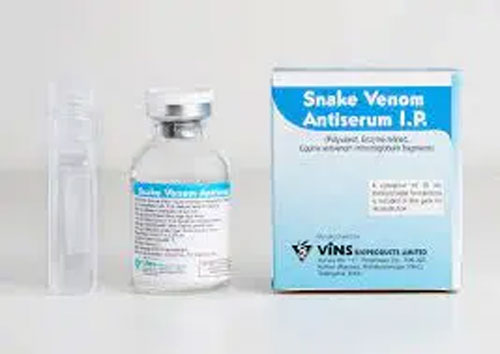
The research aims to develop antivenoms capable of working against bites from different snake species. Such therapies could reduce the need for hospitals to maintain supplies of multiple species-specific antivenoms.
“We are excited to explore how the convergence of artificial intelligence, evolutionary biology, and translational science can help deliver the next generation of snakebite therapies,” IISc said.
The EVL has been working on antivenom development for several years. After developing a synthetic antivenom in 2024, the laboratory created “venom maps” in 2025 using local climate conditions to predict the venom characteristics of Russell’s viper, one of the most dangerous snakes found across India.
Russell’s viper is considered among the most clinically important snake species globally and is responsible for more deaths and serious injuries than any other snake species, researchers say.
The venom maps could help clinicians identify the most appropriate treatment for snakebite patients. Researchers say accurately understanding the composition, activity and potency of Russell’s viper venom, as well as the factors influencing its variation, is crucial for improving treatment.
The toxic effects of snake venom are linked to the concentration of various enzymes, which can be influenced by environmental factors such as climate and prey availability.
The venom maps provide insights into how climatic conditions, including temperature, humidity and rainfall, influence the biochemical functions of Russell’s viper venom, researchers said.