Daijiworld Media Network - Bengaluru
Bengaluru, Aug 20: A hospital-based asthma case-finding campaign identified probable undiagnosed asthma in 12.5 per cent of volunteers, while also highlighting significant gaps in follow-up and treatment among people already diagnosed with the condition.
The campaign, conducted as part of World Asthma Day 2024, evaluated 112 volunteers with an average age of 57 years. Women accounted for 75 per cent of those assessed.
Among the participants, 45, or 40 per cent, reported having previously diagnosed asthma. Another 46 participants had rhinitis, while 51 reported other health conditions.
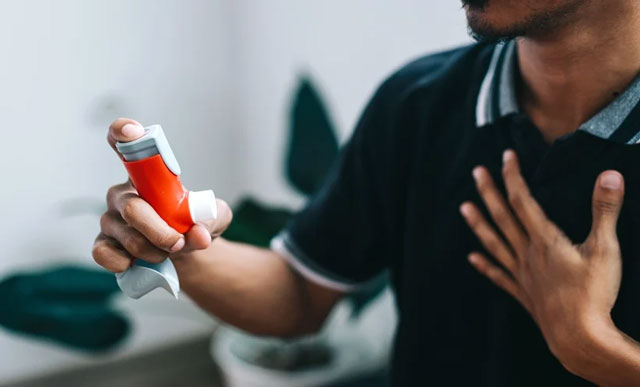
The initiative was aimed at raising awareness, collecting epidemiological information and identifying people who may have asthma without having received a formal diagnosis. An information desk staffed by pulmonology, allergy and nursing professionals was set up in the hospital lobby, where volunteers were invited to undergo assessment.
All participants underwent spirometry and fractional exhaled nitric oxide testing. They also completed a structured questionnaire covering symptoms such as recurrent wheezing, persistent or recurrent cough, breathlessness during exertion, night-time symptoms and chest tightness.
Participants with an existing asthma diagnosis were assessed for disease control using the Asthma Control Test.
Fourteen participants met the criteria for probable undiagnosed asthma, representing 12.5 per cent, or approximately one in eight, of all volunteers screened. Probable asthma was identified based on compatible respiratory symptoms along with fractional exhaled nitric oxide levels of at least 25 parts per billion.
The campaign also revealed considerable gaps in the management of people who already had asthma. Among the 45 participants with a known diagnosis, 42.2 per cent were not receiving active medical follow-up, while 46.7 per cent were not using maintenance therapy.
The initiative extended beyond the hospital, reaching approximately 12,500 people through social media and recording an engagement rate of 18.4 per cent.
The investigators said the findings indicate that hospital-based awareness and case-finding campaigns can help identify people who may require further evaluation while also improving public awareness about asthma.
For clinicians, the findings underline the potential value of combining a brief symptom assessment with objective respiratory testing to identify individuals who may require further diagnostic evaluation.
However, the investigators noted that the campaign was based on a relatively small volunteer sample of 112 participants. The classification of probable undiagnosed asthma also does not amount to a confirmed clinical diagnosis and would require appropriate medical evaluation and follow-up.