Daijiworld Media Network - New Delhi
New Delhi, Jul 31: Petrol prices in Delhi would have touched around Rs 125 per litre during the recent West Asia crisis had ethanol blending not been in place, the Centre said on Friday, asserting that the programme helped consumers save nearly Rs 30 per litre by cushioning the impact of the spike in global crude oil prices.
The Ministry of Petroleum and Natural Gas said that when the Indian crude basket rose to around USD 135 per barrel during the crisis, petrol without ethanol blending was projected to retail at about Rs 125 per litre in the national capital.
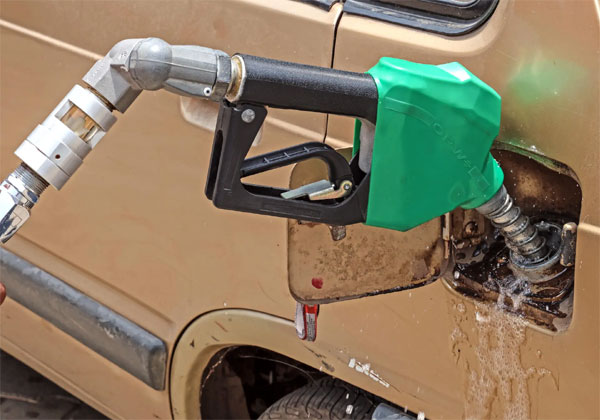
However, consumers paid Rs 94.77 per litre as 20 per cent of every litre of petrol comprised domestically produced ethanol procured at stable, pre-agreed prices, the ministry said.
It said the savings highlighted the role of ethanol blending in strengthening India's energy security, reducing dependence on imported crude oil and retaining a larger share of the country's fuel expenditure within the domestic economy.
The ministry maintained that the Ethanol Blended Petrol (EBP) Programme strikes a balance between food security, farmer welfare and energy security. It said only surplus grain certified by the Department of Food and Public Distribution after meeting all food security obligations is approved for ethanol production.
It further clarified that grain procured under the Public Distribution System, the National Food Security Act, welfare schemes and mandatory buffer stock requirements is not diverted for ethanol production until food security needs are fully met.
The ministry added that damaged grain, broken rice and foodgrain unfit for human consumption are also utilised under the programme.
According to the ministry, the EBP Programme has enabled India to save more than Rs 1.97 lakh crore in foreign exchange by reducing crude oil imports, while cutting over 950 lakh metric tonnes of carbon dioxide emissions.
The programme has also resulted in payments exceeding Rs 1.66 lakh crore to farmers and distillers, creating a stable domestic market for agricultural produce, it said.
The ministry noted that ethanol blending is aimed at reducing India's dependence on imported crude oil, which still meets nearly 88 per cent of the country's oil requirement, while serving as a buffer against global oil price shocks.