Daijiworld Media Network - New Delhi
New Delhi, Jun 20: India's relatively low per-capita steel consumption indicates significant potential for future growth, with rising investments in infrastructure, manufacturing and clean energy expected to drive demand over the coming years, according to a new report.
The report by Vietnam Times noted that India currently consumes around 90 kilograms of steel per person annually, a figure that remains well below the global average and considerably lower than China's peak consumption levels during its construction boom.
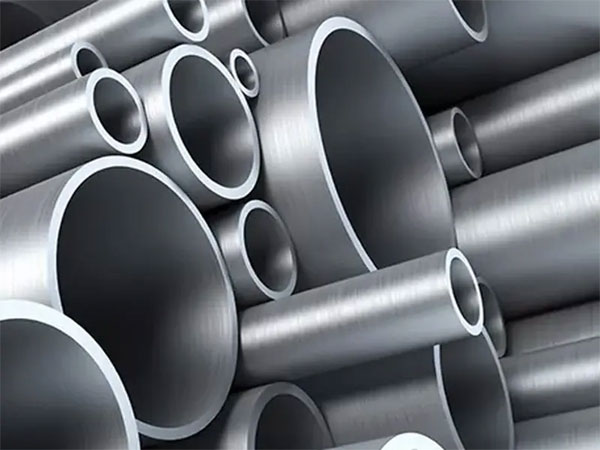
China's per-capita steel usage had reached nearly 600 kilograms during its period of rapid urbanisation and infrastructure expansion, suggesting that India still has substantial room for growth.
According to the report, increased investments in railways, highways, urban transport systems and renewable energy projects are expected to become major drivers of steel demand across the country.
These sectors are likely to boost consumption of a wide range of steel products, including construction-grade long steel products and flat steel used in industrial applications.
The report highlighted that India's steel demand pattern is structurally more diversified and resilient than China's earlier growth model, which was heavily dependent on the real estate sector.
“China's steel boom was overwhelmingly concentrated in the property sector, creating both extraordinary growth and significant vulnerabilities,” the report said.
By contrast, India's demand is spread across infrastructure development, manufacturing expansion and the energy transition, reducing the risks associated with overdependence on a single sector.
Global mining giants BHP and Rio Tinto have identified India as a key driver of the next phase of global steel demand due to this diversified growth base.
The report also pointed out that India's steel industry remains largely dependent on blast furnace technology, which uses iron ore and metallurgical coal as primary raw materials instead of relying heavily on scrap-based electric arc furnaces.
This production model is beneficial for major iron ore exporters because blast furnace steelmaking requires significant quantities of iron ore for every tonne of steel produced.
As a result, India is emerging as an important alternative market for iron ore producers in countries such as Australia and Brazil.
The report further stated that steel demand across Southeast Asia is expected to nearly double over the next decade due to rapid industrialisation throughout the region.
Unlike China's concentrated demand pattern, growth within the ASEAN region is expected to be spread across multiple countries with varying industrial requirements, thereby reducing concentration risks for global iron ore exporters and creating a more diversified customer base.
The report also noted that sustained foreign direct investment (FDI) inflows are increasingly being viewed by iron ore miners as a key indicator of future regional steel demand.