Media Release
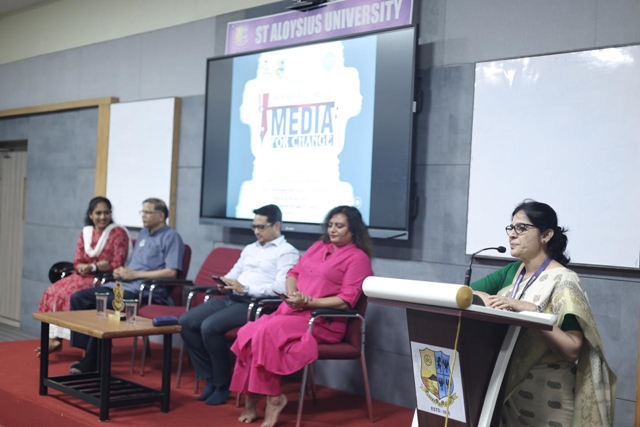
Mangaluru, Mar 24: A two-day workshop for journalists from across Karnataka on issues concerning children for the year 2026–27 was inaugurated at the Sanidhya Auditorium of St Aloysius (Deemed to be University).
The programme was jointly organised by the Department of Journalism and Mass Communication, University of Mysore, UNICEF Hyderabad, and the Department of Media Studies, St Aloysius (Deemed to be University).The workshop focuses on the theme, “Child Health and Nutrition: Non-Communicable Diseases, Healthy Diet Practices, and Road Safety.”
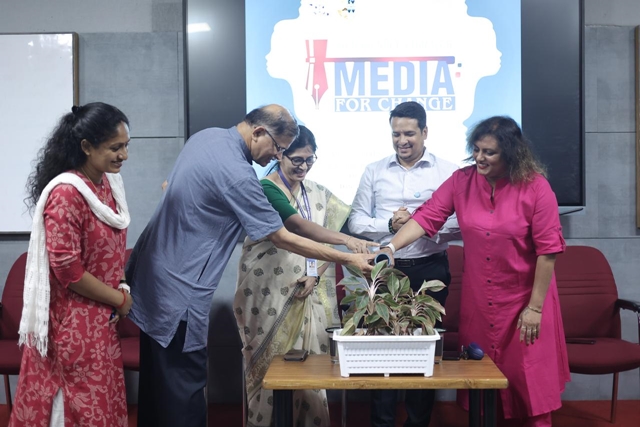
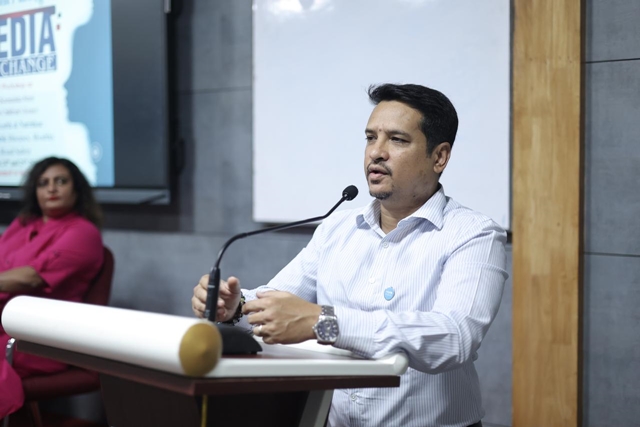
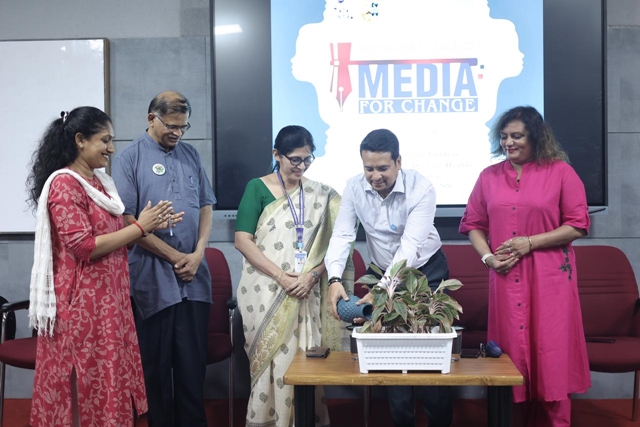
Addressing the gathering as the chief guest, Prasun Sen, advocacy and partnerships head (Telangana, Andhra Pradesh, and Karnataka) at UNICEF, emphasised the importance of adolescent health. He noted that many non-communicable diseases can be prevented during adolescence through awareness and timely interventions.
He highlighted the crucial role journalists play in creating awareness in society. He also stressed the need to guide children on issues such as malnutrition, mental health concerns, and lifestyle-related disorders. Strengthening health education at the school level, promoting hygiene, personal cleanliness, and balanced diets, and ensuring access to healthcare services and immunisation programmes are essential to improving child health. He added that only through the collective efforts of parents, teachers, and society can the holistic well-being of children be ensured.
Resource person Dr Vasudeva Sharma N V from the Child Rights Trust stated that several workshops are being conducted in collaboration with UNICEF to enhance journalists’ capacity in reporting on child-related issues. He elaborated on child rights, emphasising that every child has the right to education, healthcare, and a safe environment. He underlined the importance of awareness about the POCSO Act to prevent sexual offences against children.
Expressing concern over the increasing involvement of children in criminal activities, he called for collective societal efforts to address the issue. He also highlighted that child labour and child marriage still persist in some regions and stressed the need for both strict law enforcement and social change to eliminate these practices. He urged journalists to report such issues sensitively and responsibly to build awareness in society.
Dr Sridhar, health specialist at UNICEF, spoke on child health and the importance of a balanced diet. He emphasised that children’s daily meals must include proper nutrients, including fruits, vegetables, proteins, and grains, which are vital for both physical and mental development.
Speaking on diabetes, he explained its different types, particularly Type 1 and Type 2 diabetes. He noted that Type 1 diabetes is more common among children and is largely influenced by genetic factors, where the condition can be passed on from parents through genes. He also discussed diagnostic methods such as fasting blood sugar tests, postprandial tests, and HbA1c tests, highlighting their importance in early detection and management of diabetes. He added that promoting a healthy lifestyle, including regular exercise and proper dietary habits, can help prevent many diseases, including diabetes.
Journalists from districts including Hassan, Shivamogga, Mangaluru, Kodagu, Mulki and Vijayapura participated in the workshop.
The programme was presided over by Dr Loveena Lobo, dean of the MAFIE Block. Prof Sapna M S from the University of Mysore delivered the welcome address and Bhavya Shetty, head of the Department of Media Studies, proposed the vote of thanks.