Daijiworld Media Network - New Delhi
New Delhi, Feb 5: Exempting life-saving cancer medicines from the Goods and Services Tax (GST) and raising taxes on tobacco products are key policy measures strengthening India’s public health framework, according to a new study led by oncologists from the All India Institute of Medical Sciences (AIIMS).
The study highlights decisions taken by the GST Council at its 56th meeting in September last year, when it approved full GST exemption for 33 life-saving drugs, including those used in cancer treatment. Under the revised structure, medicines earlier taxed at 12 per cent were brought down to zero, while three critical drugs for rare diseases and cancer were exempted from the earlier 5 per cent levy.
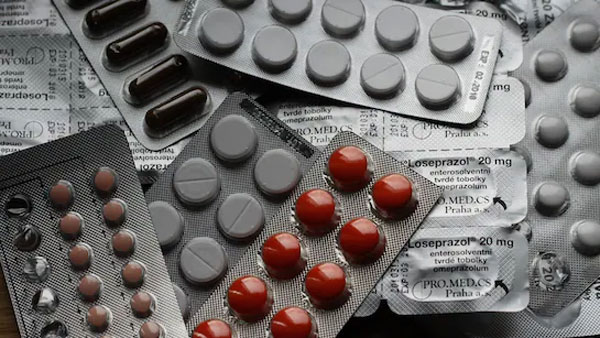
According to the researchers, these measures are already helping to make healthcare more affordable by reducing out-of-pocket expenses for patients and their families.
The findings come close on the heels of further relief announced in the Union Budget earlier this week, when finance minister Nirmala Sitharaman reduced the basic customs duty on 17 cancer drugs.
“India’s recent GST reforms mark a significant step towards making cancer care more affordable and accessible,” said Dr Abhishek Shankar of the Department of Radiation Oncology at AIIMS. “By exempting 33 life-saving cancer and rare-disease drugs from GST and lowering taxes on medical equipment, the government has directly eased the financial burden on patients.”
The study also pointed to another major public health intervention — the increase in GST on tobacco products to 40 per cent, the highest tax rate for any category of goods in the country. The revised tax structure came into effect on February 1 this year.
Researchers said higher tobacco taxation can deliver long-term health and economic benefits, including gains in life years, reduced treatment costs, lower premature mortality, and protection against catastrophic health expenditure and poverty.
Tobacco remains the leading preventable cause of cancer worldwide. A recent report by the World Health Organization (WHO) and its International Agency for Research on Cancer (IARC), released on World Cancer Day, noted that tobacco accounts for about 15 per cent of all new cancer cases globally.
“Higher taxation on tobacco products strengthens prevention by discouraging consumption, while also generating revenue that can be channelled back into public health programmes,” Dr Shankar said.
The study further observed that India’s approach to combining tax relief for essential medicines with higher levies on harmful products could serve as a model for other countries with similar socio-economic conditions and disease burdens. Such nations, the authors said, may benefit from adapting these policy tools in areas such as tax design, healthcare financing, and outcome monitoring.
“While ensuring that tax benefits are fully passed on to patients remains crucial, these reforms reflect a balanced policy approach — one that supports treatment, encourages healthier behaviour, and reinforces India’s commitment to equitable cancer care,” Dr Shankar added.