Daijiworld Media Network - Bengaluru
Bengaluru, Feb 4: Nutrition plays a vital role in cancer care, but it remains one of the most misunderstood aspects of treatment, with patients often overwhelmed by misleading advice circulating through WhatsApp forwards, viral “healing diets”, and well-meaning relatives.
“As a medical oncologist, I often see patients arrive already fearful of food,” said Dr Sneha Kommineni, Consultant – Medical Oncology, Aster RV Hospital, Bengaluru. She noted that anxiety around eating is frequently driven by misinformation, partial scientific reports, anecdotal success stories, and unverified online claims, which can push patients into dangerous dietary restrictions during treatment.
Dr Kommineni stressed that while genetics can play a role in certain cancers, lifestyle and environmental factors — including diet — are major contributors. She pointed to migration studies showing that cancer patterns often change when people move between countries, highlighting the strong influence of food habits and lifestyle.
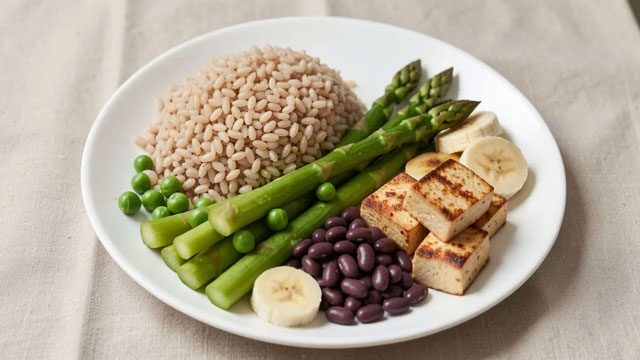
Doctors say cancer cells do use glucose, but so do healthy cells. There is no scientific evidence that eliminating sugar can stop cancer growth. Completely cutting carbohydrates can instead lead to rapid weight loss, weakness and muscle wasting, which can be risky during treatment. Experts recommend focusing on a balanced diet with complex carbohydrates such as whole grains, fruits and vegetables, while limiting refined sugars.
Protein is essential during cancer treatment as it helps repair tissues, supports immunity and prevents muscle loss. A low-protein diet can worsen treatment side effects and slow recovery.
Patients are advised to include suitable protein sources such as lentils, dairy products, eggs, fish, meat, nuts and seeds.
There is no single food or diet proven to cure cancer. Treatment often requires a combination of medical interventions such as surgery, chemotherapy, radiation or biological therapy.
Extreme diet trends like juice fasts can deprive the body of vital nutrients and may even affect treatment outcomes.
Loss of appetite is common during cancer and its treatment, but eating less can increase weakness and malnutrition. Instead of three large meals, patients can opt for small, frequent, energy-rich portions. Smoothies, fortified foods and nutritional supplements may help maintain calorie and protein intake when appetite is low.
Experts warn that the body is already under stress during treatment, and unproven diet plans can add further strain, especially when patients are battling fatigue, weight loss and muscle wasting. Adequate calories and protein are crucial for healing and strength.
Doctors emphasise that the safest and most effective approach is a balanced, flexible and personalised nutrition plan, guided by oncologists and trained oncology dietitians.
Good nutrition during cancer, experts say, is about supporting the body through treatment — not relying on food alone to fight the disease.