Daijiworld Media Network - New Delhi
New Delhi, Feb 4: Scientists in Australia have uncovered how the metabolic behaviour of lung cancer cells plays a decisive role in determining whether patients respond to immunotherapy, offering new insights that could pave the way for more personalised cancer treatments.
Researchers from the University of Queensland’s (UQ) Frazer Institute mapped the microscopic “neighbourhoods” within tumours of patients with non-small cell lung carcinoma, the most common type of lung cancer. By examining cell-to-cell interactions at an unprecedented resolution, the team sought to understand why immunotherapy is effective for some patients but fails in many others.
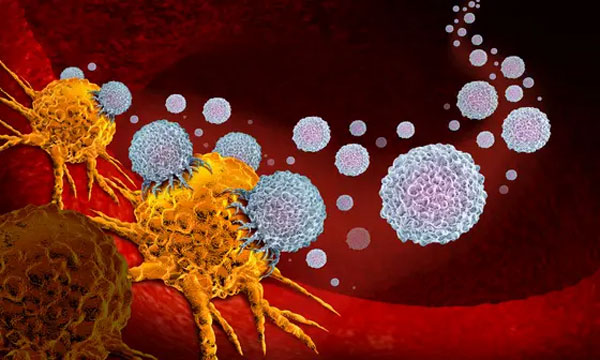
Using advanced machine-learning tools and computational analysis, the researchers studied how different cells within a tumour consume and process glucose — a key energy source that cancer cells depend on. Associate Professor Arutha Kulasinghe from the Frazer Institute said the approach allowed scientists to closely examine how tumour cells behave within their immediate environment.
“We were able to look deeply into the complex social lives of cells inside a tumour,” Kulasinghe said. “What we found was that specific metabolic neighbourhoods were linked to whether a patient responded to immunotherapy or showed resistance to it.”
Immunotherapy treatments are expensive and currently benefit only a small proportion of lung cancer patients. The researchers said identifying who is likely to respond — and who may require alternative or combination therapies — is crucial to improving outcomes and avoiding unnecessary treatment.
Lead author James Monkman explained that higher glucose uptake by cancer cells was associated with poorer patient outcomes. “We know cancer cells thrive on sugar,” he said. “What surprised us was seeing how differently glucose was processed across separate regions of the same tumour. One area could be metabolising glucose in a completely different way from another.”
The findings, published in Nature Communications, suggest that tumour metabolism is far more heterogeneous than previously understood, with direct implications for treatment response.
The research team now plans to develop targeted strategies, including metabolic inhibitors, to enhance the effectiveness of immunotherapy. Their long-term goal is to enable precision medicine approaches tailored to the unique metabolic profile of each patient’s tumour, with plans to expand the research to other cancer types in the future.