Daijiworld Media Network - Chennai
Chennai, Jan 22: Amid a noticeable surge in chikungunya cases across several districts of Tamil Nadu, the Directorate of Public Health and Preventive Medicine (DPH) has issued a statewide alert, directing district administrations and urban health bodies to intensify surveillance, diagnosis and mosquito-control measures to prevent further spread of the infection.
Health officials said heightened vigilance is crucial as prevailing seasonal conditions continue to favour mosquito breeding. In an advisory issued to all District Health Officers and City Health Officers, the department noted an increase in cases from Chennai, Villupuram, Tenkasi, Theni, Cuddalore, Chengalpattu, Kancheepuram and Ariyalur districts.
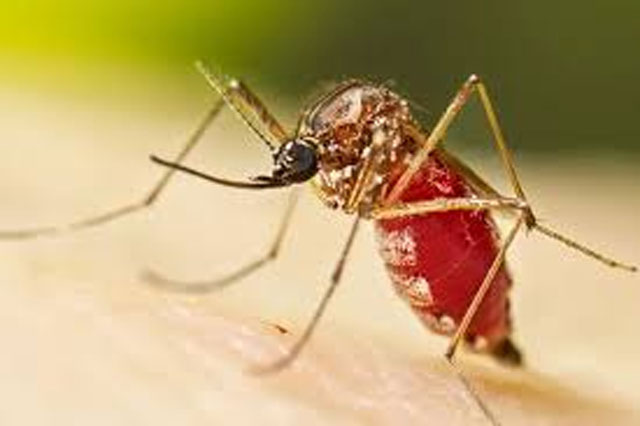
Patients have commonly reported high fever, severe joint pain, muscle aches and extreme fatigue, prompting authorities to stress the importance of early detection and timely clinical management.
To strengthen containment efforts, field officials have been instructed to collect adequate blood samples from fever-affected areas and ensure laboratory confirmation through IgM ELISA testing. The department emphasised that mandatory and timely reporting of suspected and confirmed cases by all government and private hospitals, as well as diagnostic laboratories, is essential to break the chain of transmission.
Officials warned that any delay in reporting could result in rapid community spread.
The DPH has also directed hospitals to ensure that designated dengue and chikungunya wards remain mosquito-free, with sufficient bed capacity and availability of mosquito nets for patients. Sentinel surveillance hospitals and medical colleges have been asked to maintain adequate stocks of government-approved diagnostic kits.
In addition, training programmes based on updated national clinical management guidelines for fever, dengue and chikungunya will be conducted for doctors, nurses and frontline health workers. Rapid Response Teams have been kept on standby with necessary logistics to respond swiftly to any sudden spike in cases.
District Collectors have been instructed to convene inter-departmental coordination meetings to strengthen joint information, education and communication (IEC) campaigns and intensify vector-control operations.
At the field level, district entomologists and health inspectors have been asked to step up source-reduction measures, including elimination of stagnant water in artificial containers and weekly mass-cleaning drives in high-risk localities. Daily larval surveillance, periodic indoor fogging and application of larvicides in large water-storage containers have been made mandatory.
Stressing the role of public participation, health officials urged residents to clean water-storage vessels weekly, use bed nets, wear protective clothing and ensure proper waste management. The department said compliance would be reviewed daily, with regular action-taken reports to be submitted to the headquarters.