Daijiworld Media Network - Tehran
Tehran, Jan 4: Iran’s Supreme Leader Ayatollah Ali Khamenei on Saturday acknowledged the economic hardships faced by protesters across the country but issued a stern warning that there would be zero tolerance for what he described as “rioters,” as demonstrations continued to spread.
The protests, which began last Sunday over rising prices and economic stagnation, have now extended to more than two dozen cities across Iran. Speaking on the occasion of a Shiite religious holiday, Khamenei said the government was working to address economic difficulties largely caused by international sanctions.
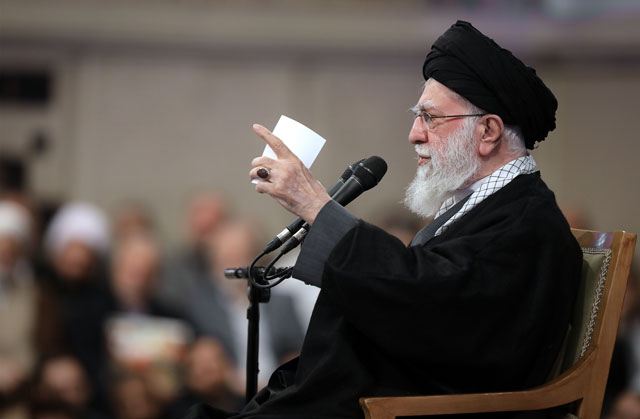
“The shopkeepers have protested against this situation and that is completely fair,” Khamenei said, recognising the legitimacy of the initial economic demands raised by traders and citizens.
However, he drew a sharp distinction between peaceful protesters and those engaging in violence. “Authorities must have dialogue with protesters. It is useless to have dialogue with rioters. Those must be put in their place,” he warned.
According to official figures, at least eight people have been killed since the unrest began, including members of Iran’s security forces. Mehr news agency reported on Saturday that Ali Azizi, a member of the Basij paramilitary force, was killed during a demonstration in Harsin after being stabbed and shot. Tasnim news agency also reported that a man died in the holy city of Qom on Friday when a grenade he was carrying exploded.
The demonstrations initially erupted after shopkeepers in Tehran went on strike over deteriorating economic conditions, but have since spread to smaller cities, particularly in western and southwestern Iran. University students and other citizens have joined the protests, with reports of clashes with security forces and incidents of vandalism in some areas.
While Iranian authorities have signalled a willingness to discuss economic concerns, they have repeatedly warned that any attempts to destabilise the country will not be tolerated. Though significant, the current protests remain smaller in scale compared to the nationwide unrest in 2022 following the death of Mahsa Amini, and the 2019 fuel price protests that resulted in hundreds of deaths.