Daijiworld Media Network - Washington
Washington, Nov 25: The United States is preparing to announce the findings of its investigation into alleged excess industrial capacity in 16 countries, including India, China and the European Union, with fresh tariffs expected to follow.
The US Trade Representative (USTR) is expected to release its findings this week, with reports suggesting that additional tariffs could be announced as early as Tuesday. Indian officials are closely monitoring the development, as the outcome could have implications for the country's exports to the US.
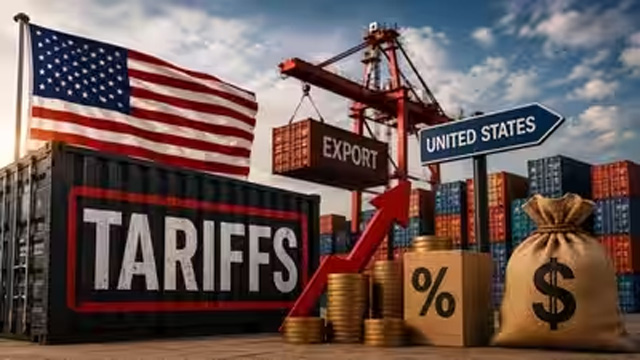
The investigation was launched around eight months ago under Section 301 of the US Trade Act. The Trump administration initiated two separate probes under the provision following a setback in the US Supreme Court over the use of emergency powers to impose reciprocal tariffs.
According to reports, the USTR findings will be followed by hearings before the final tariffs are announced, a process expected to take around 45 days.
The Indian government does not anticipate any adverse impact from the investigation. It has maintained that India does not have structural excess industrial capacity and that surplus production is intended to meet anticipated demand in the world's fastest-growing major economy.
During discussions with US officials, India has also maintained that the government has not provided subsidies or other support to create excess capacity. Officials have argued that countries with surplus domestic production naturally engage in exports.
The first Section 301 investigation focused on alleged failures by countries to prohibit imports produced using forced labour, which the US claimed harmed American exports. Additional tariffs ranging from 10 to 12.5 per cent were imposed on imports from more than 50 countries, including India.
India secured a reduction in the proposed levy, with the final tariff fixed at 10 per cent against the initially proposed 12.5 per cent.
The outcome of the latest investigation is expected to provide greater clarity on the Trump administration's revised tariff framework. Once the final rates are determined, countries are expected to pursue negotiations with Washington over potential trade agreements.
India remains confident of negotiating an arrangement that would provide its exports with a comparative advantage over competitors in the region.
The latest investigation is also expected to face legal challenges, particularly as the findings reportedly identify similar concerns across several countries. The earlier tariffs related to forced labour have already been challenged in US courts.
Among the United States' top 20 trading partners, all except Canada, the United Kingdom, Brazil and Australia are facing action over alleged structural excess capacity. Several major European countries are included through the European Union.
The investigation also covers Norway, Indonesia, Cambodia and Bangladesh, despite these countries not being among the top 20 US trading partners in goods and services.