Daijiworld Media Network - New Delhi
New Delhi, Nov 20: The National Human Rights Commission (NHRC) has taken suo motu cognisance of a media report alleging that the bodies of a woman and her daughter were transported in a garbage vehicle for post-mortem examination in Haryana's Faridabad district after hospital staff allegedly failed to arrange a hearse.
Observing that the reported incident, if true, raises serious concerns over human rights violations, the NHRC has issued notices to the Secretary of the Haryana Department of Health and Family Welfare and the Faridabad District Magistrate, seeking a detailed report within two weeks.
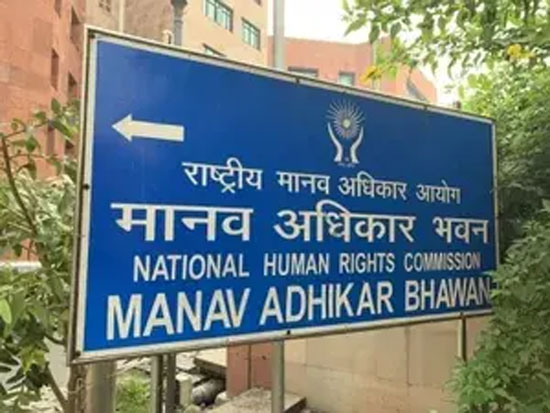
The apex human rights body reiterated that the right to life and human dignity guaranteed under Article 21 of the Constitution extends to deceased persons as well, making it mandatory for authorities and institutions to ensure that dead bodies are treated with dignity and respect.
The commission also recalled its advisory issued on May 14, 2021, to all states and Union Territories regarding the respectful treatment and handling of dead bodies.
According to the media report published on November 17, the woman and her daughter succumbed to injuries sustained in a road accident in the Ballabhgarh area of Faridabad on November 14.
The woman, who was employed at the Nawada garbage dumping yard of the Municipal Corporation, was returning home on a motorcycle with her husband and daughter when they met with an accident on the Delhi-Mumbai Expressway.
Following their deaths, the bodies were reportedly taken from the hospital to the mortuary of Civil Hospital, Ballabhgarh, in a garbage vehicle for post-mortem examination, as hospital staff allegedly failed to provide a hearse to the family.
The NHRC has taken note of the incident and sought an explanation from the concerned authorities over the alleged failure to ensure dignified transportation of the bodies.
Established under the Protection of Human Rights Act, 1993, the NHRC is an autonomous statutory body mandated to protect and promote human rights in the country.
It deals with rights relating to the life, liberty, equality and dignity of individuals, as guaranteed by the Indian Constitution or embodied in international covenants and enforceable by courts in India.
The commission is empowered to take suo motu cognisance of alleged human rights violations based on media reports, publicly available information or other sources, even in the absence of a formal complaint.