Daijiworld Media Network - Damascus
Damascus, Nov 11: Several Syrian families have raised concerns over the prolonged detention and alleged mistreatment of their relatives by Israeli forces following Israel's seizure of a United Nations-mandated buffer zone in southwestern Syria in December 2024.
Dozens of Syrians have reportedly been detained since Israeli forces expanded their military presence in the region following the ouster of former Syrian president Bashar Assad. Human rights organisations, former detainees and relatives of those still in custody have alleged physical and verbal abuse during arrests and imprisonment.
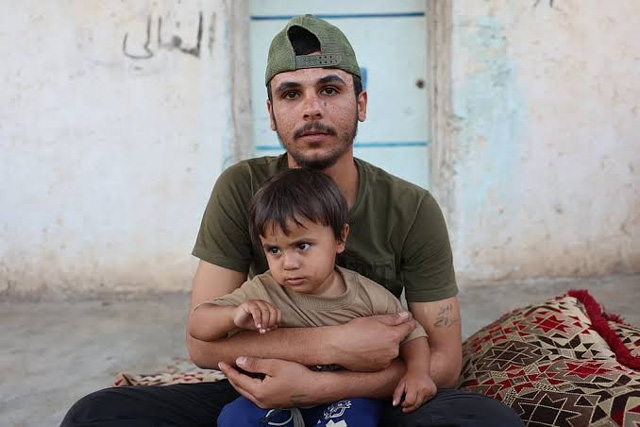
Ali al-Abdullah, a 20-year-old Syrian, said he spent more than five months in Israeli detention after being arrested at a checkpoint in June 2025. He alleged that he was beaten and held in solitary confinement without being formally charged.
According to al-Abdullah, he was transferred between several detention facilities and subjected to harsh conditions. He claimed that ventilation was absent in the solitary confinement cells and that he was required to remain seated for extended periods without being allowed to sleep or lie down.
Another Syrian, Kinan Baker, was reportedly taken from his family home during a midnight military raid in August 2025. His mother, Huda Baker, said Israeli soldiers threatened to blow up their house unless her son surrendered within five minutes. After he walked out, he was blindfolded and handcuffed. The family has received no information about his whereabouts since then.
"We can only hold on to hope in God, and pray that he reunites us with our son," Huda said.
Israel took control of the 235-square-kilometre buffer zone in December 2024, following the fall of the Assad government. The development triggered resentment among residents, particularly those living in and around the area, as Israeli forces established checkpoints, military patrols and outposts in local villages.
The Israeli military has defended its continued presence, stating that it is necessary to protect the country's northern border from threats posed by Hezbollah, the Iran-backed Lebanese militant group.
In a statement, the military said its personnel question and detain individuals when there is reasonable suspicion of their involvement in terrorist activities. It rejected allegations of mistreatment and declined to comment on individual cases, citing the absence of Syrian government identification numbers.
Israel captured the Golan Heights from Syria during the 1967 Middle East war and subsequently annexed the territory, a move not recognised by most of the international community. A 1974 agreement had established a UN-monitored buffer zone in southern Syria to prevent further conflict. Following its latest military advance, Israel declared the agreement void.
Israeli forces have since carried out airstrikes, raids and military incursions in the southern Syrian provinces of Quneitra and Daraa, with operations also extending towards the countryside southwest of Damascus.
Syria's new leader Ahmad al-Sharaa has demanded that Israeli forces withdraw from the buffer zone. Mohammed Saeed, a spokesperson for Quneitra province, rejected Israeli claims of militant activity in the region, describing them as baseless.
According to Syrian government officials and UN-backed investigators, 49 Syrians have been detained since December 2024, of whom 16 have subsequently been released.
The Washington-based Syria Justice and Accountability Center (SJAC) said former detainees and relatives had reported allegations of ill-treatment and torture. Researcher Salma Daoudi said former prisoners had described being held in stressful positions and threatened at gunpoint.
Another former detainee, Wadih Baker, who is not related to Kinan, said he was arrested by an Israeli patrol while walking in the village of Tranje in June 2025. He was initially told that he would be released within five minutes but remained in detention for approximately 15 months.
He and al-Abdullah said they had been held at Ofer Prison near Ramallah in the occupied West Bank and later at Sde Teiman Prison in Israel's Negev Desert. Israeli and international human rights organisations have previously reported allegations of torture and mistreatment of Palestinian prisoners at these facilities.
Families of detainees say repeated appeals to the Syrian government and the United Nations for information about their relatives have yielded little response.
The detentions have also affected families living within the buffer zone, with some reporting restrictions on access to agricultural land and damage to their properties.
Hassan Saad Eldin said his 16-year-old son Saddam was detained by Israeli troops in April 2024 while working in an olive grove, months before the fall of the Assad government. He said he had received no official information about his son's whereabouts.
He also alleged that Israeli forces had destroyed 10 to 12 dunums of olive groves and demolished a livestock stable in their village of Jabata al-Khashab.
"We are civilians — farmers and agricultural workers, with no external allegiances," he said, expressing concern over his son's continued detention.
Families continue to wait for information about their missing relatives, while human rights organisations have called attention to allegations of abuse and violations involving detainees held by Israeli forces.