Daijiworld Media Network - Washington
Washington, Oct 31: The US Treasury has warned banks and money-transfer companies about potential risks associated with certain overseas payments, citing more than $8 billion in potentially suspicious wire transfers identified in reports covering the 2021–2025 period.
The Financial Crimes Enforcement Network (FinCEN) issued an alert concerning payments directed by overseas agents through US-based money services businesses. It also released a separate notice highlighting the misuse of charities and non-profit organisations for illicit activities.
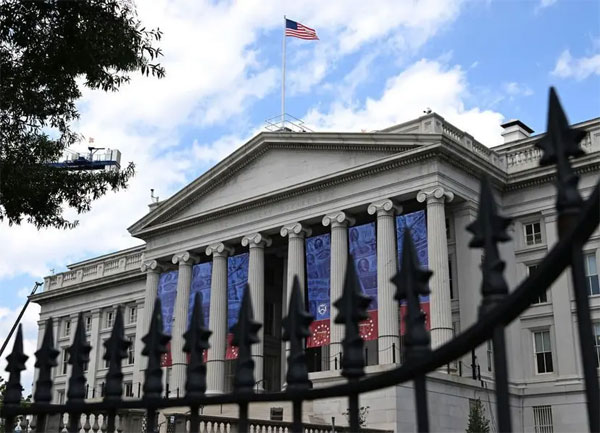
The two documents form part of anti-fraud initiatives announced by Treasury Secretary Scott Bessent in St. Cloud, Minnesota. The Treasury Department said the measures support the White House Task Force to Eliminate Fraud.
FinCEN clarified that suspicious activity reports provide investigative leads and do not, by themselves, establish criminal wrongdoing.
The alert focuses on arrangements in which an overseas commercial agent instructs a US-based money-transfer company to make payments to another foreign business. The recipient may be described as the agent's supplier or business partner.
According to the alert, banks processing such transactions may have limited information about the overseas agent, the ultimate recipient or the underlying business transaction.
The Treasury Department warned that criminals could exploit inadequately monitored cross-border business relationships to conceal the identity of the ultimate beneficiaries and the purpose of money transfers. Such arrangements could also be used to facilitate terrorist financing.
FinCEN advised financial institutions to examine the overall circumstances and customers' transaction histories before determining whether an activity is suspicious.
Both documents outline potential warning signs and remind financial institutions of their existing reporting obligations under the Bank Secrecy Act. They also urge institutions to clearly identify relevant suspicious activities when filing reports with FinCEN.
The accompanying notice identifies three broad forms of charity-related abuse: sham organisations established for illicit purposes, fraudulent fundraising for personal gain, and embezzlement by insiders.
In cases involving embezzlement, the charity itself can become a victim, with employees and donors often unaware that funds are being misappropriated. FinCEN said insiders could divert donations or misuse organisational bank accounts to meet personal expenses.
Information relating to donors, funding sources, fundraising methods and organisational affiliations could help financial institutions assess potential risks, the notice said.
However, FinCEN clarified that the Bank Secrecy Act does not require financial institutions to collect these specific details about non-profit customers.
FinCEN and federal banking regulators had earlier issued a joint fact sheet on charities in November 2020, acknowledging the importance of ensuring their access to financial services.
The fact sheet clarified that existing customer due diligence rules did not require banks to impose special or additional checks solely because a customer was a charity or non-profit organisation.