Daijiworld Media Network - New Delhi
New Delhi, Oct 31: The government on Saturday extended the existing customs duty exemption on cotton imports by two months till December 31, 2026, to augment cotton availability for the domestic textile industry and support manufacturers.
The exemption, which was earlier scheduled to remain in force until October 31, 2026, has now been extended through an amendment.
According to the Ministry of Textiles, the move aims to address specialised cotton requirements and support value addition across the textile and apparel value chain.
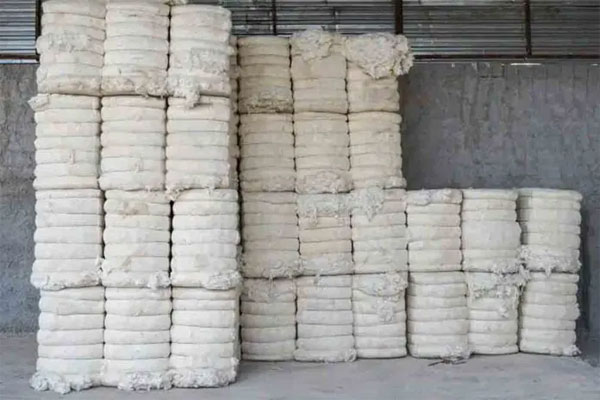
"The measure is expected to provide greater flexibility to textile and apparel manufacturers in meeting their raw material requirements, help ease input cost pressures, support Micro, Small and Medium Enterprises (MSMEs), and strengthen the competitiveness of Indian textiles in domestic and international markets," the ministry said in a statement.
The government said the extension is expected to ensure uninterrupted availability of raw materials, improve operational flexibility for the textile industry and promote greater value addition across the cotton-based textile and apparel sector.
Meanwhile, India's textile sector recorded strong export growth in August 2026, with total exports rising 16.1 per cent year-on-year to Rs 29,776 crore.
Cumulative textile exports during April-August 2026 stood at Rs 1.43 lakh crore, registering a growth of 10.3 per cent over the corresponding period of the previous year.
Exports of cotton yarn, fabrics, made-ups and handloom products increased by 24.1 per cent in August, while exports of man-made yarn, fabrics and made-ups recorded a growth of 19.9 per cent.
The ministry said it remains committed to developing a competitive, resilient and globally integrated textile sector by promoting value addition, generating employment and supporting the long-term growth of the entire textile value chain.
Notably, the conclusion of negotiations for the India-European Union (EU) Free Trade Agreement in January 2026 provided a significant boost to the country's textile sector.
The agreement offers preferential market access on 96.8 per cent of tariff lines, covering 99.5 per cent of India's exports. As much as 90.7 per cent of exports by trade value are expected to become duty-free once the agreement comes into force.