Daijiworld Media Network - Mumbai
Mumbai, Sep 6: Indian stock markets are likely to remain sensitive to global cues next week, with crude oil prices, rising bond yields, stronger-than-expected US jobs data and foreign investor flows expected to influence investor sentiment.
Renewed tensions between the US and Iran, uncertainty over the reopening of the Strait of Hormuz and changing expectations around US interest rates are also likely to keep market volatility elevated.
The benchmark indices ended higher on Friday but surrendered most of their intraday gains and closed near the day's lows after the closing auction session (CAS).
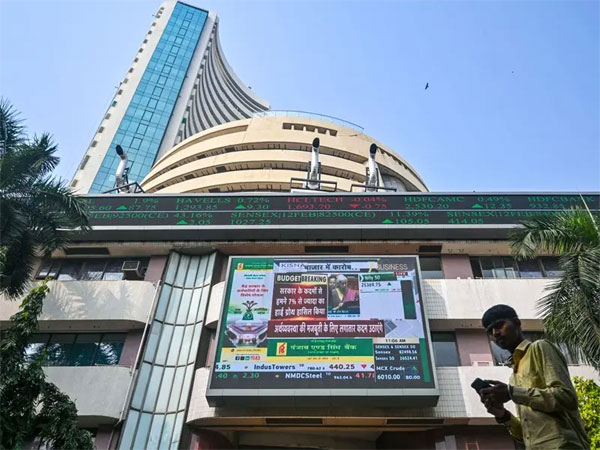
The **Sensex gained 363 points to close at 76,515**, while the **Nifty rose more than 24 points to finish below the 23,898 mark**.
The broader market performance was mixed, with the Nifty Midcap 100 slipping into negative territory, while the Nifty Smallcap 100 ended in the green.
### Crude oil prices in focus
One of the key concerns for investors heading into the new week is the renewed rise in crude oil prices.
Oil prices gained around **8 per cent during the week** after the US and Iran exchanged strikes following a month-long lull, reviving concerns over potential supply disruptions as the Strait of Hormuz remains shut for oil transit.
The prolonged disruption has also led to a reassessment of crude price expectations.
Citi has raised its average Brent crude price forecast for the third quarter to **$86 a barrel from $80 earlier**, citing expectations that the reopening of the Strait of Hormuz could take longer than previously anticipated.
Higher crude prices could put additional pressure on inflation and corporate costs in oil-importing economies such as India.
Investors are therefore expected to closely track developments in the Middle East and any indications of when normal oil shipments through the strategic waterway could resume.
### Global bond yields add to concerns
Another major concern is the sharp rise in global bond yields.
A bond-market selloff on a scale not seen in decades has pushed yields across several major economies to multi-year highs.
Markets are currently dealing with a combination of oil-driven inflation, expectations of tighter monetary policy and deteriorating fiscal conditions.
Rising crude prices and fuel costs have increased inflationary pressures while also pushing up government borrowing costs globally.
Investors are also assessing whether tighter financial conditions could weigh on economic growth if inflation does not ease meaningfully.
### US rate outlook in focus
Expectations surrounding US monetary policy could add another layer of volatility.
A stronger-than-expected US jobs report has brought the possibility of a September interest-rate hike back into focus, creating a difficult policy choice for Federal Reserve Chair Kevin Warsh amid pressure from US President Donald Trump for lower borrowing costs.
US employers added **162,000 jobs in August**, nearly three times the number expected by economists.
The labour force participation rate also increased to **61.6 per cent**, while the unemployment rate remained at **4.1 per cent** despite the larger pool of available workers.
Market participants are expected to closely monitor global oil prices, bond yields, foreign investor activity and US monetary policy signals as the new trading week begins.