Daijiworld Media Network – Mangaluru
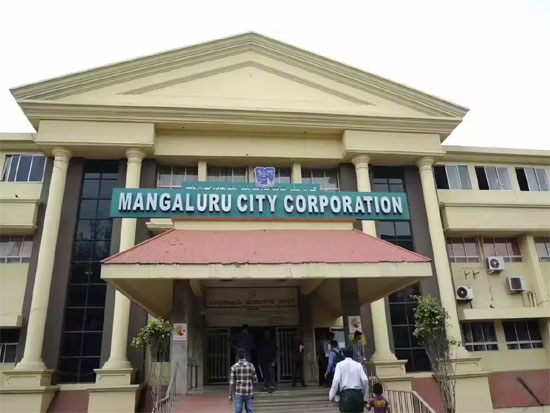
Mangaluru, Aug 21: The report of the Public Undertakings Committee of the Karnataka Legislative Assembly recommending the release of Rs 1,250 crore for the proposed comprehensive underground drainage (UGD) project of Mangaluru City Corporation (MCC) was tabled in the Legislative Council on Thursday.
The Public Undertakings Committee of the Karnataka Legislative Assembly had, on May 27, conducted a joint inspection of works undertaken by the Karnataka Urban Infrastructure Development and Finance Corporation (KUIDFC) under the Urban Development Department in Mangaluru and Udupi districts. The committee also inspected drinking water and underground drainage projects in both districts.
During the joint inspection, the committee highlighted the cultural significance of Kandevi in Chelur village. It noted that inadequately treated sewage was being discharged directly into the river, resulting in severe groundwater pollution, excessive growth of algae and aquatic plants, and mass fish deaths. The committee also expressed concern that the traditional fish-catching festival could lose its very existence due to these conditions.
The committee stated that an estimated Rs 1,250 crore is required to replace all old and dilapidated stoneware pipelines and red-stone manholes within the Mangaluru City Corporation limits with RCC manholes and UPVC/RCC/DI pipelines; comprehensively develop underground drainage networks in areas without such facilities; carry out upgradation works and construct wet wells; and facilitate the reuse of treated water.
Of the total amount, Rs 840 crore has been estimated for the rejuvenation of the existing underground drainage network, while Rs 410 crore is required for the comprehensive development of underground drainage networks in areas without the facility.
Considering Mangaluru's growing population, rapid urbanisation and the need for adequate sanitation infrastructure, the committee said underground drainage works should be taken up on a priority basis in the identified areas.
The lack of an adequate underground drainage system has resulted in environmental problems, unsanitary conditions, pollution of water sources and inconvenience to the public. Timely implementation of the works can improve public health, prevent waterlogging, enhance sanitation standards and promote sustainable urban development.
At present, treated water from the existing sewage treatment plants is being discharged into rivers through stormwater drains. To prevent pollution of water sources, the committee said it would be appropriate to completely reuse the treated water. It also recommended that detailed works required for the reuse of treated water should be incorporated into the project.
The committee also recommended that care be taken to ensure that the shortcomings observed in several underground drainage works already undertaken are not repeated in the new comprehensive project and that wasteful expenditure is avoided.