Stany Bela
Daijiworld Media Network - Mangaluru
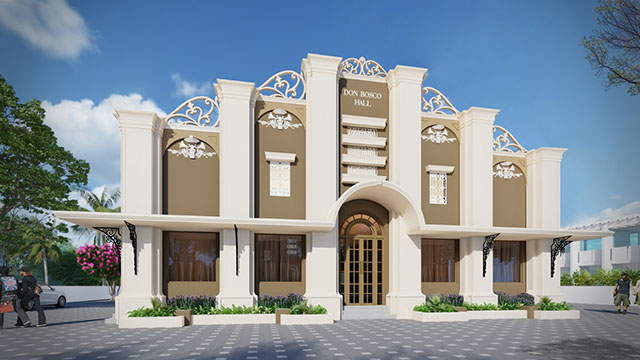
Mangaluru, Aug 19: For seventy-five years, Don Bosco Hall in Mangaluru has stood as far more than an auditorium. It remains a living monument to the cultural aspirations of the Konkani-speaking community and an enduring sanctuary for artists across languages and traditions. Inaugurated on August 19, 1951, the hall has fostered theatre, music, classical dance, literature, and social engagement. What began as a visionary dream championed by the Konkani Natak Sabha has evolved into one of the region's most revered cultural institutions, celebrating its platinum jubilee on August 19.
The genesis of a movement
The history of Don Bosco Hall is tied to the origins of the Konkani Natak Sabha, founded during the Second World War. Seeking to offer moral direction and cultural unity during a turbulent era, Fr George Albuquerque Pai, S J, envisioned the performing arts as a transformative social force. Joining hands with playwright M P D’Sa, widely regarded as the "Shakespeare of Mangaluru," Fr Pai mobilized local writers and performers. On September 19, 1943, the Sabha was formally established at the Academy Hall of St Aloysius College, marked by stagings of D’Sa’s plays 'Vignanth Jeek' and 'Kazaraachi Dhotorn'. Guided by the enduring motto “Natak Dwarim Dharmik Sadhan”—theatre as a means of moral upliftment—the movement set out to preserve the Konkani language and nurture local talent.
Laying the foundation in Balmatta
Initially operating out of temporary school halls and borrowed premises, the growing Sabha soon recognized the necessity of a permanent headquarters. The leadership secured land in Balmatta road for approximately Rs 30,000, representing an unprecedented investment in the community's artistic future. On September 19, 1948, Fr Richard, provincial superior of the Capuchin Order, performed the Bhumi Pooja and laid the foundation stone. Navigating substantial financial constraints, Fr George Albuquerque Pai and Fr Philip Neri rallied donors, artists, and patrons to complete the project, which ultimately cost Rs 2.20 lac.
Inauguration and the first curtain call
On August 19, 1951, the facility was blessed by vicar general Monsignor Julian D’Souza and officially inaugurated by South Kanara district collector Rajaratnam. Dedicated to St John Bosco, the patron of youth, the hall opened its doors to the public with M P D’Sa’s celebrated Konkani drama 'Sopan Vaa Niz Gazal'. This first performance marked the dawn of a dedicated theatrical home that paired creative expression with character formation and community service.
Evolution into a multilingual cultural centre
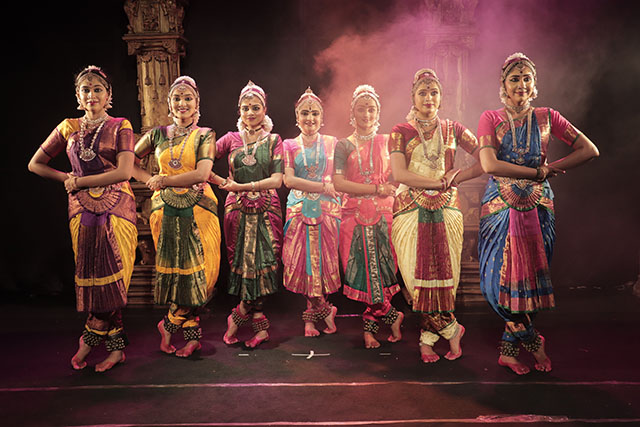
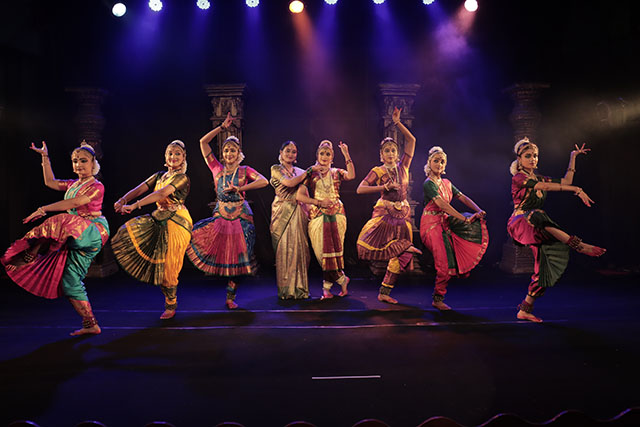
Though rooted in Konkani heritage, Don Bosco Hall quickly expanded its scope to become a multilingual civic space. The venue opened its doors to productions in Kannada, Tulu, Hindi, English, Malayalam, Urdu and other languages. Its stage accommodated traditional Yakshagana, classical music concerts, dance forms including Bharatanatyam, Kathak, Kuchipudi, and Odissi, as well as literary seminars and civic gatherings, bridging linguistic and cultural divides across coastal Karnataka.
A platform for national and global legends
Over the decades, the auditorium hosted prominent cultural icons and international ensembles. In 1956, whistling virtuoso M J Samuel captivated audiences, followed in March 1957 by Sachin Shankar’s Ballet Troupe, which staged 'Ramayana' and 'The Fisherman and the Mermaid' to wide acclaim for the hall’s acoustics and staging.
Later that year, prime minister Jawaharlal Nehru visited the venue for a Yakshagana performance organized by Lalitha Kala Mandali.
In 1958, Prithviraj Kapoor and his legendary Prithvi Theatres troupe conducted an eight-play residency at the venue. Bharat Ratna M S Subbulakshmi delivered a historic Carnatic vocal concert on its stage, and in 1960, the Shakespeare International Theatre Company staged full-scale productions of 'Othello', 'Macbeth', and 'The Merchant of Venice'. In 1966, Tamil cinema icon Sivaji Ganesan attended as chief guest for the Bharatiya Nratya Manjari dance festival, and the early 1980s saw performances by the historic Gubbi Veeranna Nataka Company.
A nursery for emerging talent
Parallel to hosting luminaries, the hall served as a launching pad for generations of emerging artists. The Konkani Natak Sabha instituted competitive platforms that became regional institutions, including the annual Konkani singing competition launched in 1963, the elocution competition in 1968, and the fancy dress competition in 1983, alongside contests for traditional voviyo-verse and gumtam gayan. Through these initiatives and over 195 original theatrical productions, the Sabha continuously discovered and mentored actors, directors, writers, and musicians.
Preserving the heritage for the next chapter
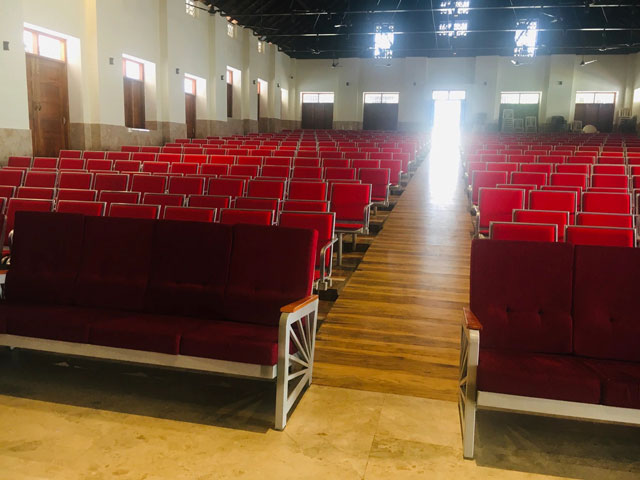
Modernized to meet contemporary production standards, the current 700-seat facility features upgraded acoustics, modern green rooms, and advanced stage lighting while preserving its architectural character. Reaching its 75-year milestone, Don Bosco Hall stands as a testament to the collective dedication of its founders, directors, benefactors, artists, and audiences. Entering its next era, the institution continues to uphold its original mission: using the power of the stage to uplift society and celebrate enduring artistic traditions.