Daijiworld Media Network - Mumbai
Mumbai, Jun 8: A welfare scheme aimed at supporting vulnerable children within their families in Maharashtra is facing significant implementation challenges, with bureaucratic delays, documentation hurdles and irregular fund disbursements preventing many beneficiaries from receiving timely assistance, according to a new report.
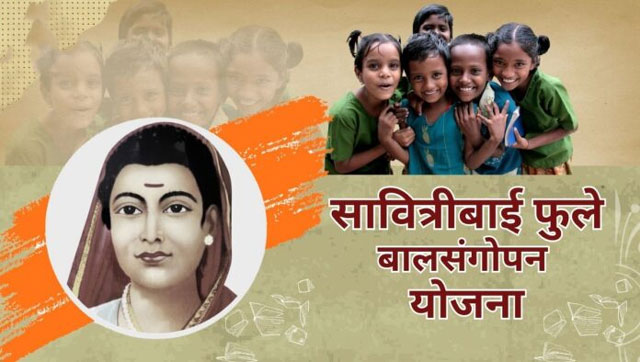
The report, Bal Sangopan Yojana: Analysis and Experiences, released in May 2026 by Prayas, the Tata Institute of Social Sciences (TISS) and legal advocacy organisation iProbono India, highlights the difficulties faced by eligible children under the Krantijyoti Savitribai Phule Bal Sangopan Yojana.
The scheme, originally launched as a foster care programme in 1995 and expanded in 2008, provides monthly financial assistance of Rs 2,250 per child to orphans, children of single parents, incarcerated parents and other vulnerable groups below 18 years of age. It aims to promote family-based care and reduce institutionalisation.
The report found that beneficiaries often spend six to twelve months gathering documents and completing administrative formalities before applications are processed. In several cases, sanctioning of benefits takes an additional six to twelve months, while payments are frequently released in bulk rather than on a monthly basis.
One beneficiary, identified as Nirmala Patil (name changed), a widow from Nanded, said financial assistance for her two children has been inconsistent despite being enrolled under the scheme in 2023.
“Last year my children received funds only for three months, a 2024 due. This year they received Rs 2,250 each only once, on April 2. They have not received timely funds since 2024,” she said.
Patil said the enrolment process itself took nearly 18 months and requires annual submission of documents and verification by officials.
Researchers identified income certificates as a major obstacle. In one instance, seven out of 25 applications handled by a social worker were rejected because families could not obtain the required certificate. Cases of misplaced files forcing applicants to restart the process were also documented.
A case study cited in the report involved two children whose mother was imprisoned in Mumbai. Despite approval from the Child Welfare Committee, the family's application was delayed for years after the file was reportedly lost multiple times. By the time assistance was sanctioned, several years had passed. Following the mother’s release on bail, the children were declared ineligible and benefits were discontinued.
Surekha Sale, senior social worker and assistant director at Prayas, said documentation requirements continue to exclude many eligible children.
“Many families we work with include daily wage labourers, people living in slums or on the streets, and families affected by imprisonment. They often do not have income certificates, ration cards or even birth certificates,” she said.
Sale also questioned the discontinuation of benefits to children of incarcerated parents after their release, arguing that many families continue to face financial hardship.
Social activist Milindkumar Salve, State Coordinator of Sau Ekal Mahila Samiti and a member of the government's Mission Vatsalya Committee, alleged that some families wait for years believing their applications are being processed, only to later discover that their proposals were never placed before Child Welfare Committees.
The report also found inconsistencies in record-keeping across districts. RTI responses obtained by iProbono India revealed incomplete records and lack of publicly accessible state-level data on applications, approvals, rejections and fund disbursements.
Children of prisoners were brought under the scheme in 2013 following advocacy efforts. However, researchers noted that many of the most severe implementation challenges continue to affect families impacted by incarceration.
The Women and Child Development Department has maintained that funds are being released under the scheme and attributed delays in some cases to Aadhaar-bank linkage issues, migration, changes in beneficiary details and verification procedures.
A senior department official said approximately 1.60 lakh children are currently covered under the scheme.
“We disburse funds through Direct Benefit Transfer as soon as we receive allocations from the Finance Department. We are continuously pursuing the release of funds,” the official said.
The official added that awareness about the scheme has improved and government schools are actively helping identify eligible beneficiaries. The department's objective remains to promote family-based care and reduce reliance on institutional care.
Dr Vijay Raghavan, Project Director of Prayas and Professor at the Centre for Criminology and Justice at TISS, said the scheme remains an important intervention but requires reforms.
“Assistance is often released in two instalments, usually around October and March, instead of monthly payments. This creates difficulties for families caring for vulnerable children who need regular support to meet everyday expenses,” he said.