Daijiworld Media Network – Panaji
Panaji, May 7: Goa has emerged as one of the leading states in the country in the adoption of electric vehicles (EVs), securing the second position nationally in EV penetration for personal two-wheelers and four-wheelers till April this year.
According to data available on the Vahan dashboard, Goa recorded an overall EV penetration of 13.11 per cent in the personal vehicle category, narrowly trailing Kerala, which topped the list with 13.35 per cent. The figures reflect the state’s growing shift towards cleaner and sustainable mobility solutions.
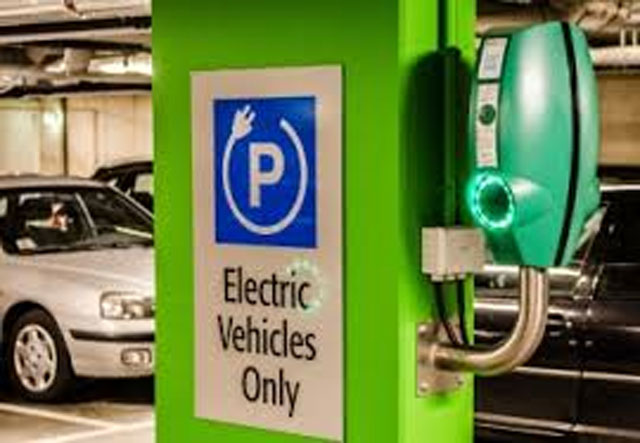
Data showed that electric two-wheelers continued to dominate Goa’s EV market, registering a strong penetration rate of 15.14 per cent. In comparison, EV penetration in the four-wheeler segment stood at 7.38 per cent.
Industry experts attributed the strong growth of electric two-wheelers to factors such as affordability, lower running costs and ease of use, making them increasingly popular among consumers.
Between January and April this year, Goa recorded sales of 2,926 electric vehicles, including both two-wheelers and four-wheelers. Of these, nearly 2,000 units were electric two-wheelers, highlighting their significant contribution to the state’s EV growth.
During the same period, the total number of vehicle registrations in Goa, including both electric and internal combustion engine (ICE) vehicles, stood at 32,426.
EV penetration is considered a key indicator in measuring the pace of electric mobility adoption. It represents the percentage of EV registrations out of the total vehicle registrations in a region. A higher penetration rate indicates faster acceptance of sustainable transportation options.
Goa had also performed strongly in 2025, when it ranked second in the country with an EV penetration rate of 11.86 per cent in the personal vehicle category. Last year, the state recorded sales of 9,167 electric two-wheelers and four-wheelers out of a total of 86,363 vehicles sold.
Experts noted that further growth in the electric four-wheeler segment would depend on improved charging infrastructure, reduced upfront costs and greater consumer confidence in EV technology.