Daijiworld Media Network - New Delhi
New Delhi, Mar 28: Thyroid cancer is steadily gaining attention in public health discussions—not because it is the deadliest cancer, but due to its rising detection rates. In India, the number of diagnosed cases has increased in recent years, driven by both improved screening and possible changes in underlying risk factors. Experts like Dr Ganesh Agarwal, a specialist in Surgical Oncology, emphasise the importance of understanding risk without causing unnecessary alarm.
Although thyroid cancer still represents a small proportion of total cancer cases, national data show a consistent upward trend. Globally, it is more commonly diagnosed in women and is increasingly reported in regions with better healthcare access and diagnostic facilities.
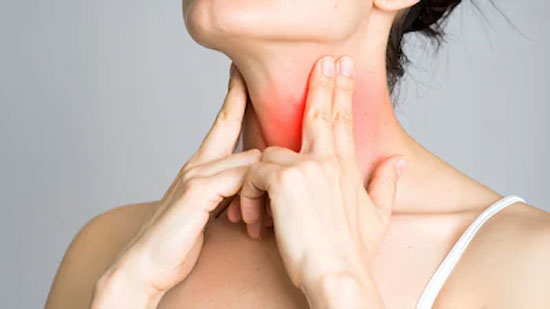
Who Is More Likely to Be Affected?
Research and clinical data point to several key risk factors:
Women at higher risk
Women are significantly more likely than men to develop thyroid cancer. This difference appears early in adulthood and continues through middle age, possibly due to hormonal influences and higher healthcare engagement.
Age group matters
Most cases are diagnosed between the ages of 30 and 50, though this varies across regions. Some areas in India report notably higher rates, suggesting environmental or diagnostic differences.
Radiation exposure
One of the strongest known risk factors is exposure to ionising radiation during childhood, particularly involving the head or neck.
Genetic factors
A small percentage of cases—especially Medullary thyroid cancer—are linked to inherited mutations like the RET gene or syndromes such as Multiple Endocrine Neoplasia type 2. Family history can be an important warning sign.
Pre-existing thyroid conditions
Chronic inflammation of the thyroid, such as Hashimoto's disease, and long-standing thyroid nodules are associated with higher detection rates of certain cancers.
Diet and iodine levels
Both iodine deficiency and changes in iodine intake can influence thyroid health and disease patterns at a population level.
Lifestyle factors
Emerging research suggests that obesity and metabolic disorders may slightly increase the risk, although studies are still ongoing.
Rising Cases: Real Increase or Better Detection?
A major reason behind the rising numbers is improved diagnostics. Technologies like neck ultrasounds are now widely used, leading to the discovery of very small tumours—often called microcarcinomas—that may never cause symptoms.
This phenomenon, known as overdiagnosis, means not every detected case is dangerous. In fact, many thyroid cancers—especially Papillary thyroid carcinoma—grow slowly and have excellent outcomes with proper management.
Warning Signs You Shouldn’t Ignore
While routine screening isn’t necessary for everyone, certain symptoms require medical attention:
• A lump or swelling in the neck
• Persistent hoarseness
• Difficulty swallowing
• Rapidly growing neck mass
• History of radiation exposure
• Family history of thyroid cancer or related syndromes
Can It Be Prevented?
Complete prevention isn’t always possible, but risk can be managed through:
• Avoiding unnecessary radiation exposure, especially in childhood
• Ensuring adequate iodine intake
• Maintaining a healthy weight and metabolic balance
• Targeted screening for high-risk individuals
• Avoiding excessive or unnecessary imaging in low-risk cases
The Bigger Picture
Thyroid cancer today presents a unique challenge: distinguishing between harmless, slow-growing tumours and those that require intervention. The key lies in precise diagnosis, careful monitoring, and personalised treatment.
With growing awareness and smarter screening strategies, healthcare providers aim to focus on those truly at risk—while avoiding overtreatment for others.