Daijiworld Media Network - New York
New York, Mar 22: Researchers have found that reducing dietary protein may help slow liver tumour growth, particularly in cases where the liver is unable to properly clear ammonia due to damage.
The study, led by Wei-Xing Zong of Rutgers University, highlights how a basic dietary component can turn into fuel for cancer when liver function is impaired.
According to the findings, damaged livers fail to effectively process ammonia—a toxic byproduct generated during protein metabolism—through the urea cycle, a key detoxification pathway. Instead of being converted into urea and safely excreted, ammonia accumulates in the liver and bloodstream.
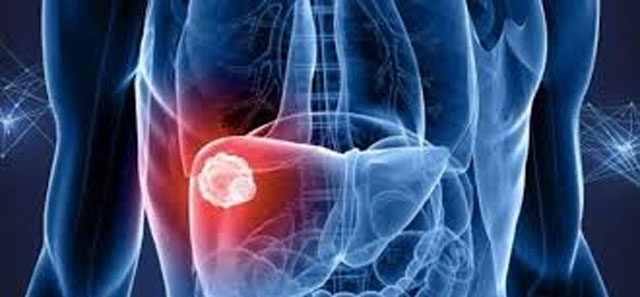
This excess ammonia is then repurposed by tumour cells into compounds such as amino acids and nucleotides, which are essential for DNA replication and rapid cell division, thereby accelerating cancer growth.
The study observed that in mice with compromised liver function, tumours grew faster as ammonia levels increased. However, when researchers reduced protein intake, ammonia production dropped significantly, slowing tumour progression and improving survival rates across multiple models.
“The ammonia goes into amino acids and nucleotides, both of which tumour cells depend on for growth,” Zong explained, underlining how metabolic waste becomes a resource for cancer cells.
The findings also showed that disrupting enzymes responsible for ammonia clearance worsened tumour burden and reduced survival, reinforcing that impaired waste management plays a direct role in cancer progression.
Data from the National Cancer Institute estimates that liver cancer cases in 2025 could reach 42,240 in the United States, with 30,090 deaths. The five-year survival rate for liver and intrahepatic bile duct cancer remains low at around 22 per cent.
The study also gains significance in the context of rising liver disease globally. Conditions such as fatty liver disease, hepatitis, and alcohol-related liver damage—affecting nearly one in four adults—can impair the liver’s ability to process ammonia.
While the results suggest that lowering protein intake could be a simple way to reduce ammonia levels, researchers caution against generalising the approach. Cancer patients are often advised to maintain higher protein intake to preserve muscle mass and strength during treatment.
Zong emphasised that dietary changes must be carefully tailored. Individuals with healthy liver function typically do not face the same risks, as their bodies efficiently convert ammonia into urea for elimination.
The researchers noted that while the findings are promising, they are based on animal models. Further clinical trials in humans will be required to determine safe and effective dietary strategies, including how much protein reduction is beneficial and for whom.
The study opens new avenues for treating liver cancer by targeting ammonia levels through diet, medication, or other therapies, but experts stress that patients should not make dietary changes without medical guidance.