Daijiworld Media Network – Northern California
Northern California, Mar 3: Offices and schools across the region are noticing an unusual wave of absenteeism as human metapneumovirus (HMPV), a little-known respiratory virus, spreads through communities in San Francisco, Marin, Vallejo, Napa, Novato, Santa Rosa, Sacramento, and Davis.
According to WastewaterSCAN data, HMPV concentrations are higher than usual, signaling a seasonal surge. The virus, which typically circulates from winter through spring, causes common cold-like symptoms including cough, fever, and congestion. In children, it may also trigger bronchiolitis and croup, the latter characterized by a distinctive “barking” cough.
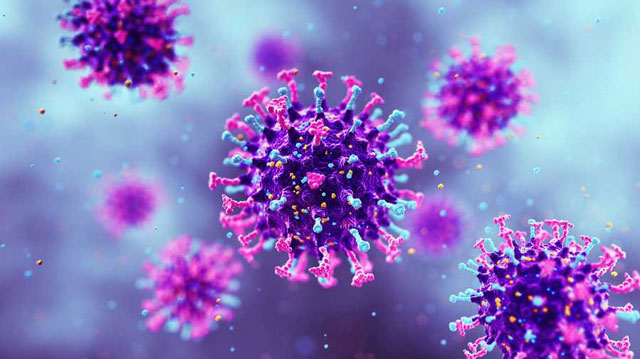
Dr. Monica Gandhi, an infectious disease specialist at UC San Francisco, explained that this season’s quieter COVID-19 activity has allowed other viruses like influenza and HMPV to spread more freely. “These illnesses compete with each other,” she noted, adding that during major COVID surges, other common respiratory viruses declined sharply.
National data from the Centers for Disease Control and Prevention (CDC) indicate an upward trend in HMPV across the U.S., particularly in the Midwest and Northeast, as the virus thrives in colder climates and spreads more rapidly in indoor gatherings. In California, mild weather and good ventilation help curb transmission to some extent.
There is no specific treatment or vaccine for HMPV. The CDC advises staying home when sick, practicing hand hygiene, and cleaning surfaces regularly. Most people recover fully with rest and hydration, though vulnerable groups such as young children and the elderly should monitor for severe symptoms.
This rise in HMPV serves as a reminder that respiratory viruses beyond COVID-19 remain a seasonal health concern, even as communities adjust to post-pandemic life.