Daijiworld Media Network - Chennai
Chennai, Feb 7: Tamil Nadu has intensified disease surveillance across the state after the deaths of over 1,000 crows in Chennai were confirmed to be linked to the highly pathogenic H5N1 avian influenza virus. Officials have said no human infections have been reported so far and urged the public not to panic.
The sudden crow deaths were reported between late January and early February, with residents and civic workers noticing birds falling from trees in several localities, including Adyar and Velachery. Authorities estimate that between 1,000 and 1,500 crows may have died in a short span, triggering concern and prompting immediate testing.
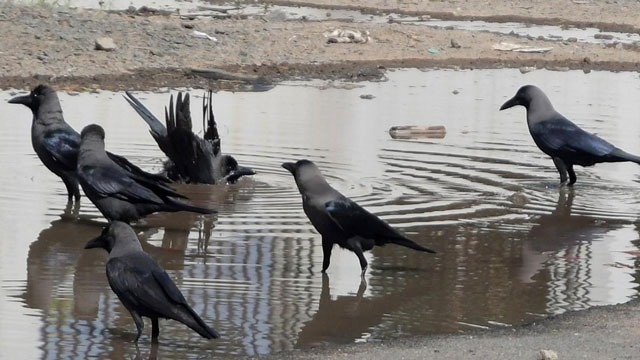
Laboratory analysis confirmed the presence of the H5N1 virus, following which the state activated enhanced monitoring measures to prevent any spillover to poultry or humans. The situation comes amid a series of avian influenza incidents in India, including 11 outbreaks on poultry farms reported in December 2025, according to the World Organisation for Animal Health, and a bird flu scare that led to the temporary closure of a zoo in Delhi in September 2025.
Tamil Nadu Health Minister Ma Subramanian said precautionary steps were already in place and stressed there was no need for public alarm. “Surveillance has been intensified, and veterinary and public health teams are closely monitoring the situation,” he said.
State Health Secretary Supriya Sahu said coordinated action was underway across districts. “All districts have been instructed to strengthen surveillance, immediately report bird mortality and ensure strict biosecurity measures in poultry farms and markets,” she said.
Health authorities reiterated that transmission of avian influenza to humans is rare and generally occurs only through direct contact with infected birds or their carcasses. People have been advised not to handle dead birds, to consume only properly cooked poultry products and to promptly report unusual bird deaths to authorities.
The mass crow deaths have unsettled local residents. “We started seeing dead crows on the roadside for several days. People were worried because it happened so suddenly,” said R Kannan, a resident of Thiruvanmiyur.
Veterinary experts noted that high mortality among wild birds often serves as an early warning sign of viral circulation, offering authorities a crucial window to intervene before commercial poultry operations are affected. This is particularly significant for Tamil Nadu, home to major poultry hubs such as Namakkal, one of India’s largest egg-producing regions.
Given the state’s coastal wetlands, urban water bodies and its proximity to migratory bird routes — especially along the Tamil Nadu–Kerala border — monitoring has been stepped up at poultry farms, hatcheries, live-bird markets and wetlands. Field teams are collecting samples from wild and domestic birds, while dead birds are being disposed of through incineration or burial as per biosecurity protocols. Hospitals have also been asked to remain alert for influenza-like symptoms among people with possible bird exposure.
Officials said the proactive measures are aimed at preventing any outbreak in commercial poultry systems that could disrupt supply chains and cause significant economic losses.