Daijiworld Media Network - New Delhi
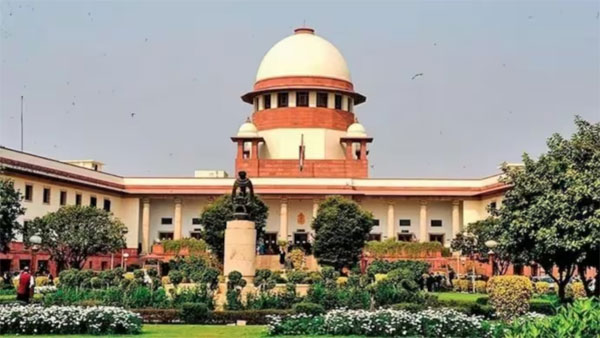
New Delhi, Jan 28: The Supreme Court is scheduled to hear a set of petitions on Thursday questioning the validity of the University Grants Commission (Promotion of Equity in Higher Education Institutions) Regulations, 2026.
According to the cause list released by the apex court, the matter will be taken up on January 29 by a bench comprising Chief Justice of India Surya Kant and Justice Joymalya Bagchi.
Earlier in the day, the Chief Justice agreed to urgently list the case after a petition challenging the regulations was mentioned before him. Assuring the petitioner’s counsel, CJI Surya Kant said the matter would be heard once procedural defects in the petition are rectified.
“We are aware of the issue. Ensure the defects are cured, and we will list it,” the Chief Justice remarked.
The petition raises concerns that the UGC’s Equity Regulations could lead to discrimination against individuals from the general category by denying them access to effective grievance redressal mechanisms. The plea argues that the regulatory framework institutionalises unequal treatment by limiting protections and remedial measures to specific social categories.
At the heart of the challenge is Regulation 3(c), which defines caste-based discrimination as applicable only to members of the Scheduled Castes, Scheduled Tribes and Other Backward Classes. The petition contends that this narrow definition legally recognises discrimination solely for reserved categories, while excluding individuals from the general or upper castes, irrespective of the severity or context of discrimination they may face.
The plea further seeks directions from the court to ensure that Equal Opportunity Centres, Equity Helplines, inquiry processes and Ombudsperson mechanisms under the regulations function in a caste-neutral and non-discriminatory manner, at least until the regulation is reconsidered or amended.
According to the petitioner, denying access to grievance redressal solely on the basis of caste identity amounts to unconstitutional state discrimination and violates Articles 14 (equality before law), 15(1) (prohibition of discrimination), and 21 (right to life and dignity) of the Constitution.
The court’s hearing on Thursday is expected to examine the constitutional validity of the regulations and the broader implications for equity and grievance redressal in higher education institutions across the country.