Daijiworld Media Network - Damascus
Damascus, Jan 17: Syrian President Ahmed al-Sharaa has issued a decree formally recognising the rights of Kurdish Syrians, including acknowledgement of their language and restoration of citizenship to those previously denied nationality, state news agency SANA reported on Friday.
The decree comes in the aftermath of fierce clashes in the northern city of Aleppo last week, which left at least 23 people dead, according to Syria’s health ministry, and forced more than 1.5 lakh people to flee from two Kurdish-run pockets of the city. The violence subsided after Kurdish fighters withdrew from the area.
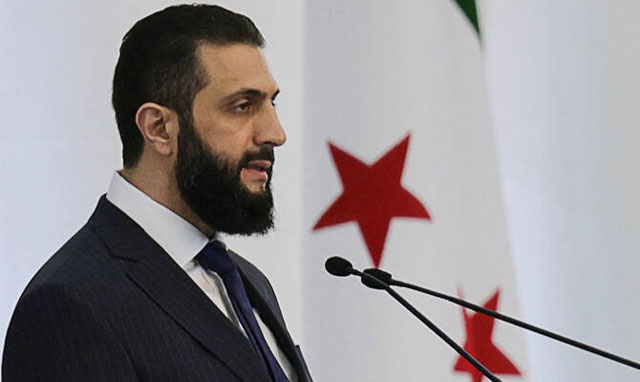
The unrest has further exposed deep faultlines in Syria, where President al-Sharaa’s pledge to reunify the country under a single leadership after 14 years of war has faced resistance from Kurdish forces wary of his Islamist-led government.
Under the new decree, Kurdish identity has been officially recognised as an integral part of Syria’s national fabric for the first time. Kurdish has been designated a national language alongside Arabic, and schools will be permitted to teach it.
The decree also abolishes measures dating back to a 1962 census in Hasaka province that had stripped large sections of the Kurdish population of Syrian nationality. Citizenship will now be restored to all affected residents, including those who were previously registered as stateless.
In a significant cultural move, the decree declares Nowruz, the Kurdish spring and new year festival, as a paid national holiday. It further bans ethnic and linguistic discrimination, mandates inclusive national messaging by state institutions and prescribes penalties for incitement to ethnic strife.
Meanwhile, talks between the Syrian government and the Kurdish-led Syrian Democratic Forces (SDF), which control large parts of northeastern Syria, have seen limited progress. The two sides had engaged in months of discussions last year on integrating Kurdish-run military and civilian bodies into state institutions by the end of 2025, but key differences remain unresolved.