Daijiworld Media Network - Hanoi
Hanoi, Jan 8: Vietnamese health authorities have raised concerns over an increasingly complex dengue situation, warning that the outbreak could persist well into next year, according to reports from the Vietnam News Agency.
The Ministry of Health said the country recorded more than 181,000 dengue fever infections in 2025, with at least 36 deaths linked to the disease. Officials cautioned that the scale and pattern of infections suggest the risk of continued transmission in 2026.
Nguyen Trong Khoa, deputy director of the Department of Medical Service Administration, urged local governments not to underestimate the threat. He stressed the need for early planning and stronger prevention and control strategies to curb a potential prolonged outbreak.
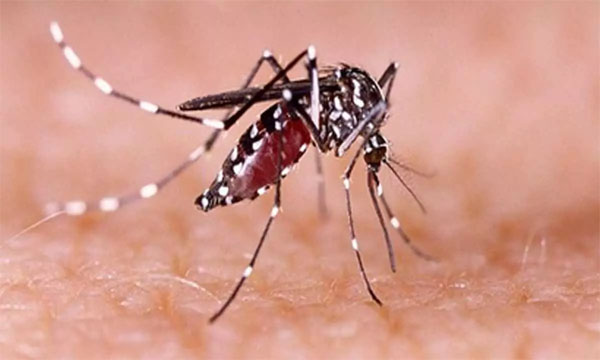
Dengue, commonly known as break-bone fever, is a mosquito-borne viral illness that thrives in tropical and subtropical regions. While many infected individuals show no symptoms, others experience high fever, severe headaches, muscle and joint pain, nausea and skin rashes. Most patients recover within one to two weeks, but some develop severe dengue that requires hospital care and can be fatal.
Health experts note that the disease has no specific cure, and treatment mainly focuses on relieving pain and managing symptoms. People who are infected for a second time face a higher risk of developing severe dengue, with warning signs often appearing after the fever subsides. These include intense abdominal pain, continuous vomiting, rapid breathing, bleeding from the gums or nose, and extreme fatigue.
Preventing mosquito bites, particularly during daytime hours when dengue-carrying mosquitoes are most active, remains the most effective way to reduce infection risk.
Globally, dengue cases have risen sharply over the past two decades. Reports to the World Health Organization increased from just over 500,000 cases in 2000 to around 14.6 million in 2024. Because many infections are mild or asymptomatic and managed at home, actual case numbers are believed to be significantly higher.
The year 2024 marked the highest number of dengue cases ever recorded in a single year, with more than 14.6 million infections and over 12,000 deaths reported across more than 100 countries. The Americas accounted for a large share of the global burden, reporting over 13 million cases.
Experts attribute the expanding reach of dengue to several factors, including the spread of Aedes mosquitoes into new regions, rising temperatures and increased rainfall linked to climate change, overstretched healthcare systems, gaps in disease surveillance, and political and economic instability in vulnerable countries.