Daijiworld Media Network – Mumbai
Mumbai, Jan 5: Amid continued public confusion over the validity of Rs 2,000 banknotes, the Reserve Bank of India (RBI) has clarified that the denomination continues to be legal tender, although it has been withdrawn from circulation.
In an official statement, the central bank said, “The total value of Rs 2,000 banknotes in circulation, which stood at Rs 3.56 lac crore at the close of business on May 19, 2023, when the withdrawal of Rs 2,000 banknotes was announced, has declined to Rs 5,669 crore at the close of business on December 31, 2025.”
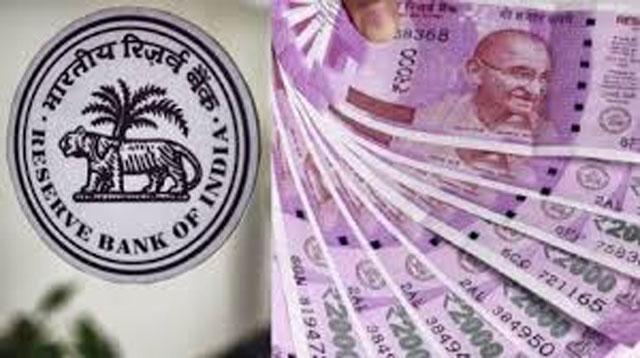
The RBI stated that 98 per cent of the Rs 2,000 notes have been returned since May 19, 2023, when their circulation was stopped. A small quantity of the notes remains with individuals or continues to circulate, and the RBI clarified that such notes remain valid as legal tender.
While reiterating that the notes are not illegal, the central bank urged citizens to exchange or deposit the remaining Rs 2,000 notes at the earliest and explained the procedure for doing so.
The Reserve Bank of India (RBI) has clarified that the facility to exchange or deposit Rs 2,000 notes at commercial bank branches ended on October 7, 2023, and regular bank branches no longer offer this service. From October 9, 2023, individuals and entities are permitted to deposit Rs 2,000 banknotes into their bank accounts at any of the 19 RBI Issue Offices across the country. The central bank has also made available a direct exchange facility at these Issue Offices for members of the public who still possess Rs 2,000 notes.
In addition, the public can send Rs 2,000 banknotes through India Post from any post office in the country to an RBI Issue Office, with a request to credit the amount to their bank accounts. The RBI has advised people to note the locations of the RBI Issue Offices before proceeding with the exchange or deposit.
The RBI issue offices are located in Ahmedabad, Bengaluru, Belapur, Bhopal, Bhubaneswar, Chandigarh, Chennai, Guwahati, Hyderabad, Jaipur, Jammu, Kanpur, Kolkata, Lucknow, Mumbai, Nagpur, New Delhi, Patna and Thiruvananthapuram.
The RBI reiterated that while the Rs 2,000 note is no longer issued, holders should promptly use the available facilities to exchange or deposit the remaining currency.