Daijiworld Media Network – Mumbai
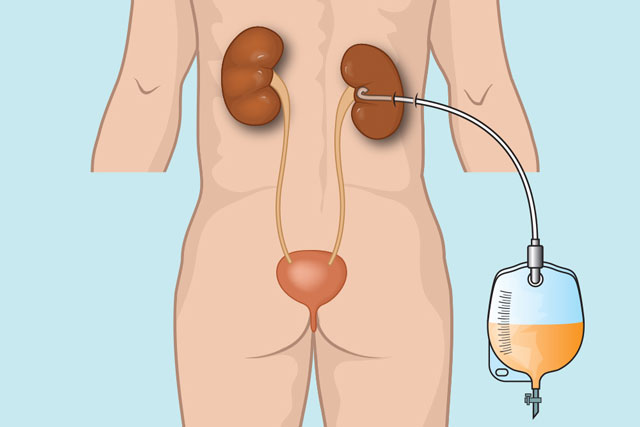
Mumbai, Jan 4: Nephrostomy tube placement, a common procedure for malignant urinary obstruction, carries a notable risk of infection and death in oncology patients. A recent retrospective cohort study has highlighted clinical, laboratory, and imaging factors that predict sepsis and mortality following the procedure.
The study evaluated 173 cancer patients who underwent nephrostomy for malignancy-related indications at a single centre, out of 517 screened. Patients were classified based on tumour type (urological vs non-urological) and further stratified by sepsis development and survival. Predictive factors for both sepsis and death were analysed.
Clinical and Laboratory Predictors of Sepsis
The cohort had a mean age of 62.5 years, with more males than females. Patients who developed sepsis showed:
• Lower post-operative platelet counts
• Higher post-operative creatinine
• Lower pre- and post-operative neutrophil and lymphocyte counts
• Lower neutrophil-to-lymphocyte ratio (NLR)
• Elevated inflammatory markers, including procalcitonin and C-reactive protein (CRP)
Imaging findings, such as perirenal fat stranding, and ICU admission were also significantly associated with sepsis, underscoring the importance of early radiological and clinical assessment.
Mortality Risk Factors
Analysis of mortality revealed both overlapping and distinct predictors:
• Lower lymphocyte counts pre- and post-operation
• Higher procalcitonin levels
• Elevated post-operative NLR, creatinine, and CRP
• Comorbidities including diabetes, immunosuppressive therapy, ICU admission
• Presence of non-urological malignancies
Implications for Patient Care
The study concludes that integrating inflammatory markers, haematological parameters, imaging features, and comorbidities can help identify high-risk patients following nephrostomy for malignant obstruction. Early risk stratification using routine clinical data may enable closer monitoring, targeted interventions, and potentially improved outcomes for this vulnerable patient population.
This research underscores the need for vigilance in oncology patients undergoing nephrostomy, as timely recognition of risk factors can guide proactive management and reduce sepsis-related complications and mortality.