Daijiworld media Network – New Delhi
New Delhi, Jan 1: Experts have suggested the use of moringa as a natural ingredient in sanitary pads, citing emerging scientific evidence that indicates the plant can significantly enhance menstrual comfort, improve intimate hygiene and lower the risk of infections.
Researchers point out that moringa contains over 90 bioactive compounds, including essential vitamins, minerals, amino acids, antioxidants and phytonutrients, many of which help maintain vaginal health and pH balance. Its antimicrobial and anti-inflammatory properties make it especially suitable for use in the top sheet of sanitary pads, which remains in direct contact with sensitive intimate skin for prolonged periods during menstruation.
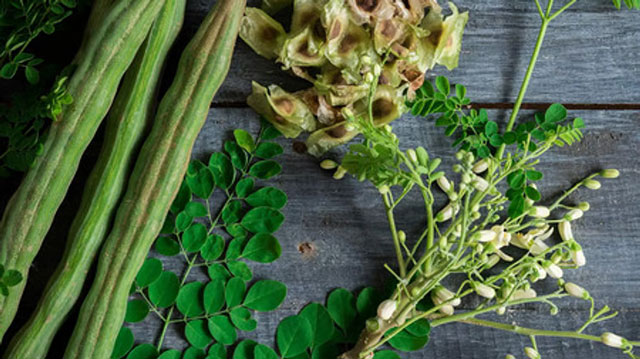
Specialists note that moringa is free from harsh chemicals such as SLS, SLES, parabens and sulphates. It is non-irritating, suitable for all skin types, including sensitive skin, and does not disrupt the natural vaginal microbiome or strip essential oils, making it ideal for intimate hygiene.
“The top sheet of a sanitary pad comes directly in contact with the sensitive intimate skin of a woman for several days during periods. There is a need to make it skin-friendly,” said Dr Richa Singhal, Senior Consultant in Obstetrics and Gynaecology at Max Hospital, Delhi. “Research shows that moringa is one such natural ingredient that has the potential to transform the monthly period experience by minimising the risk of vaginal infections. It also helps control wetness and unpleasant odour naturally,” she added.
However, Dr Singhal cautioned that, like any menstrual product, moringa-based pads should be discontinued if any skin sensitivity or reaction occurs, though the likelihood is low.
Scientific studies appear to support these claims. In April, a study published in the international peer-reviewed journal Life by Bulgarian researchers analysed moringa leaves sourced from India and found significant antioxidant, anti-inflammatory, antispasmodic and antimicrobial properties. The study reported that moringa showed up to 2.5 times stronger anti-inflammatory effects than diclofenac, a commonly used non-steroidal anti-inflammatory drug, without associated side effects. It also demonstrated strong activity against gram-positive and gram-negative bacteria, including Escherichia coli, a major cause of urinary tract infections.
Gynaecologists say moringa’s rich nutritional profile further strengthens its suitability for menstrual care. “The skin around the intimate area is delicate and prone to rashes and inflammation during periods,” said Dr Alpna Kansal, President of the Indian Medical Association, Ghaziabad. “Moringa is naturally rich in fatty acids and vitamin E, which help strengthen the skin barrier, improve moisture balance, reduce chafing and enhance comfort during long wear,” she said.
According to Dr Kansal, moringa-based menstrual products can be particularly beneficial for school-going girls, working women and travellers who often need to use sanitary pads for extended hours.
Dr Alka Kriplani, Chairperson of Obstetrics and Gynaecology at Paras Health, said many menstrual health issues such as rashes, irritation, unpleasant odour and recurrent infections are often linked to prolonged use of synthetic materials and chemical additives in conventional pads.
“Natural ingredients like moringa, with well-documented antimicrobial, anti-inflammatory and soothing properties, can play a significant role in improving menstrual comfort and intimate hygiene,” Dr Kriplani said. She added that by inhibiting harmful bacterial growth and being gentle on sensitive skin, moringa-based materials may reduce irritation, itching and infection risk during menstruation.
While experts emphasise the need for larger clinical studies, they say early scientific evidence and moringa’s long-standing use in Ayurveda highlight its strong potential for safer and more comfortable menstrual hygiene solutions.