Daijiworld Media Network - New Delhi
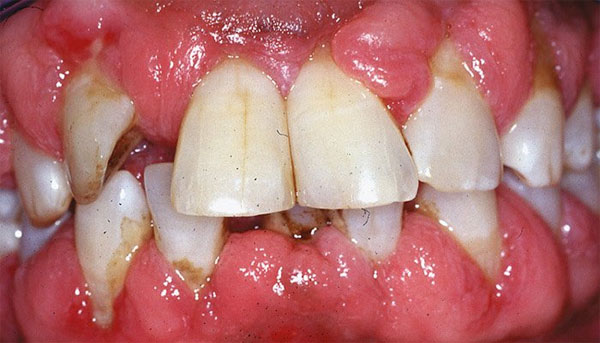
New Delhi, Dec 30: A high burden of severe gum disease, known as periodontitis, may be linked to worsening disability in people living with multiple sclerosis (MS), according to new scientific research that highlights the potential role of oral health in neurological disorders.
The study, published in Scientific Reports, suggests that elevated levels of Fusobacterium nucleatum—a bacterium commonly found in the mouth—are strongly associated with more severe disability among MS patients. Researchers found that individuals with a high presence of this bacterium had nearly ten times higher odds of experiencing serious functional impairment.
Multiple sclerosis is a chronic autoimmune condition that affects the central nervous system by damaging the myelin sheath, the protective covering of nerve fibres. While earlier research has explored how gut bacteria influence MS, the contribution of oral bacteria has remained largely understudied.
“Because the oral cavity is a significant source of chronic inflammation and is potentially modifiable, understanding its relationship with multiple sclerosis severity is crucial,” said Masahiro Nakamori, associate professor and lecturer at Hiroshima University Hospital. He noted that oral health may play a previously overlooked role in disease progression.
The findings showed that about 61.5 per cent of MS patients with high levels of Fusobacterium nucleatum fell into the moderate-to-severe disability category. In contrast, only 18.6 per cent of patients with lower bacterial levels experienced similar levels of disability. The association became even stronger when Fusobacterium nucleatum was present alongside other periodontal pathogens.
Interestingly, the same pattern was not observed in patients with related neurological conditions such as neuromyelitis optica spectrum disorder or myelin oligodendrocyte glycoprotein antibody-associated disease, suggesting a specific link to MS.
Researchers described Fusobacterium nucleatum as a possible “bridge bacterium,” capable of connecting oral inflammation with neurological damage, potentially worsening disability over time.
Although the exact cause of MS remains unknown, factors such as viral infections, smoking, vitamin deficiencies, and genetic susceptibility are believed to contribute to its development. The new findings add oral health to the growing list of areas that may influence disease severity.
The research team plans to expand their work through larger, multi-centre studies to further confirm the connection between periodontal bacteria and multiple sclerosis outcomes, with the long-term goal of identifying new preventive or supportive strategies for patients.