Daijiworld Media Network – Dhaka
Dhaka, Dec 20: The killing of Sharif Osman Hadi, a radical student leader and aspiring lawmaker, has triggered a fresh wave of anti-India protests and political unrest in Bangladesh. Hadi, who had risen to prominence after former Prime Minister Sheikh Hasina’s ouster last year, built his political profile by riding anti-India sentiment and aligning with Islamic extremist groups.
Hadi, an independent candidate from Dhaka, led the student platform Inquilab Mancho and collaborated with Deobandi madrasas and extremist organisations to mobilise youth around anti-India narratives. His social media presence, including a Facebook page created in May 2025 and Inquilab Mancho’s accounts, was central to spreading his agenda. He called for rallies against Indian policies, accused cultural figures of being “culture killers,” and demanded a ban on organisations such as ISKCON, calling them “Indian agents.”
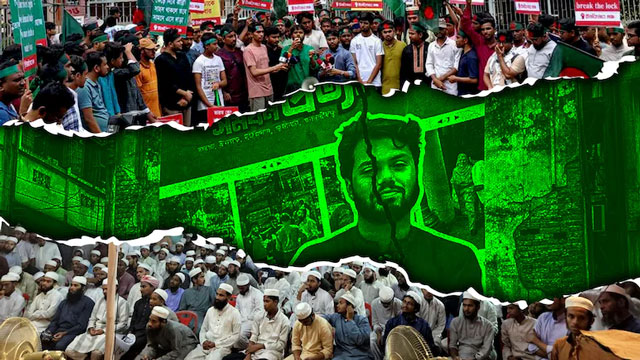
He had also engaged with international groups, including a US-based Islamic outfit, Human Rights and Development for Bangladesh, which has been linked to stoking anti-India sentiment and supporting extremist narratives. Hadi frequently addressed seminars and rallies, including events organised by the Bangladesh Khilafat Youth Majlis, which advocates for the implementation of Sharia law.
Hadi’s rise was marked by protests over environmental issues, such as allegations that Indian dams caused floods in Bangladesh, as well as calls for an “intidifa” (uprising) against India. Political analysts warn that his killing could destabilise the fragile political landscape ahead of general elections, with some alleging that his attackers fled to India.
Authorities are closely monitoring the protests, while diplomatic channels remain active amid growing tensions. Hadi’s death has reignited debates over cross-border influence and extremist mobilisation in Bangladesh, highlighting challenges for the interim government in maintaining peace.