Daijiworld Media Network - Taiz
Taiz, Oct 22: Residents of Yemen’s Taiz city are facing severe shortages of food, drinking water, fuel and medical supplies as renewed fighting and road closures disrupt vital supply routes, leaving hundreds of thousands of people without access to essential humanitarian assistance.
The United Nations has warned that the deteriorating security situation is preventing aid agencies from reaching vulnerable communities. The UN World Food Programme (WFP) said on October 14 that it could no longer reach more than 600,000 people in Taiz who depend on humanitarian assistance, including over 200,000 women and children. Together with communities affected by access restrictions along Yemen’s West Coast, the number of people beyond the agency’s reach has risen to an estimated 800,000.
The crisis has intensified since fighting escalated in September between Yemen’s internationally recognised government and the Houthi movement. Key supply routes, including the corridor connecting Taiz with Aden, have been disrupted, restricting the movement of commercial goods, fuel, food and medical supplies. Although the Houthi authorities have been urged to ensure safe passage into the city, UNICEF has said active fighting involving both sides has made routes unsafe and prevented vehicles from reaching affected communities.
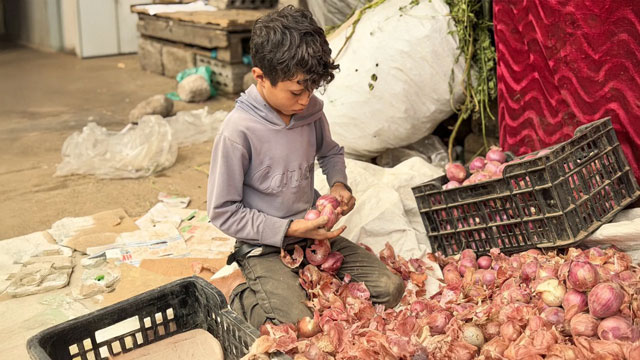
The impact on food supplies is becoming increasingly severe. According to WFP, wheat flour stocks in affected areas of Taiz are nearly exhausted, while remaining supplies in local markets may last only a short time if access restrictions continue. Ten of Taiz governorate’s 16 districts had previously been classified at Emergency levels of food insecurity. Across Yemen, more than 18 million people are facing acute food insecurity, while millions of families are struggling to afford basic necessities.
Water shortages have emerged as another major concern. Fuel scarcity has disrupted water-pumping stations and sanitation services, forcing families to ration drinking water and wait in long queues to fill containers. According to the UN humanitarian coordinator’s October 20 statement, water production in Taiz has fallen by half, while alternatives are running out. UNICEF has reported that the cost of a water truck has risen from around 23,000 Yemeni rials before the latest escalation to approximately 70,000 rials, placing safe water beyond the reach of many households.
The breakdown of waste collection has also raised fears of disease outbreaks. Rubbish has accumulated along roads and in neighbourhoods as fuel shortages and fighting prevent sanitation workers from reaching disposal sites. Health officials and aid agencies have warned that deteriorating water and sanitation conditions could increase the spread of cholera and other infectious diseases. Reuters reported on October 21, citing health authorities, that suspected cholera cases had risen from 221 to 683 since early September.
Hospitals are also under pressure because of shortages of fuel, medicines and other essential supplies. The UN has warned that the health system is close to collapse, with disruptions threatening hospital electricity and medical oxygen supplies and putting patients at risk. UNICEF has identified more than 52,000 children suffering from acute malnutrition in Taiz governorate this year, while road closures have prevented therapeutic food from reaching health facilities in need.
The renewed fighting has also forced thousands of families from their homes. More than 250,000 people have been displaced across Yemen amid the latest escalation, with Taiz and surrounding areas among the hardest-hit locations. Many displaced families have arrived in already crowded communities and camps with limited access to food, clean water, shelter and healthcare.
UN humanitarian officials have called for safe and unhindered access to Taiz, urging the Houthi authorities and all parties to the conflict to facilitate the movement of food, fuel, medicines and humanitarian assistance. They have warned that continued restrictions could worsen hunger, increase the risk of preventable diseases and further undermine essential services for civilians.
The WFP has also warned that funding shortages could force it to reduce assistance from November, at a time when more families are being displaced and humanitarian needs are growing. The agency has appealed for additional funding and safe access to deliver emergency food assistance and other critical support.