Daijiworld Media Network – Mumbai
Mumbai, Sep 23: For many people, checking their phone is the final activity of the day. A quick look at social media can turn into several minutes of scrolling, followed by news updates, short videos and notifications. However, prolonged cellphone use, particularly late at night, may affect sleep quality and brain health, according to Dr Joy D. Desai, Director, Neurology, Jaslok Hospital & Research Centre, Mumbai.
Dr Desai said studies suggest that frequent cellphone use of more than three hours a day, particularly on social media applications, may be associated with changes in attention span and increased activity in dopaminergic networks linked to the demand for instant gratification.
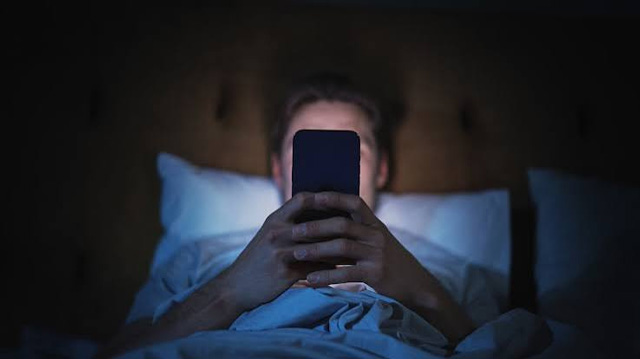
The type of content consumed can also influence how engaged the brain remains. News feeds featuring negative events or alarming developments can encourage what is commonly known as ‘doomscrolling’. Dr Desai also pointed to the increasing presence of AI-generated information, short videos and images, which can sometimes blur the distinction between perceived reality and fiction.
Sleep plays an important role in memory consolidation, emotional stability and regulation of blood pressure and blood sugar. According to Dr Desai, the brain also uses sleep as an important period for clearing proteinaceous waste accumulated during the day through the glymphatic system. Sub-optimal sleep-related glymphatic cleansing has been implicated in neurodegenerative diseases.
Dr Desai said late-night exposure to blue-light-rich screens has been linked with sub-optimal sleep depth and changes in the body's natural melatonin rhythms. While the long-term effects of daily social media scrolling immediately before bedtime have not yet been studied, he said a calm wind-down routine is conducive to healthy sleep.
The concern, therefore, is not only the screen itself but also the nature of the content being consumed. Scrolling through social media immediately before going to bed can keep the brain engaged when it should gradually be moving towards rest.
News consumption at bedtime can be particularly difficult to disengage from. One story can lead to another, with negative or alarming reports encouraging continued scrolling. Dr Desai noted that the tendency to consume news associated with adverse consequences or conspiratorial interpretations contributed to the emergence of the term ‘doomscrolling’.
A calmer transition between daytime activities and sleep may help support deeper and more restorative rest. Instead of making the phone the final thing seen before falling asleep, people can consider adopting a quieter bedtime routine.
Dr Desai also pointed to exposure to nature, greenery, mountain views and the sound of running water as experiences that can have calming effects on the brain.
As technology becomes increasingly integrated into daily life, the expert's observations highlight the importance of considering how constant digital stimulation may affect the transition to sleep and overall brain health.