Daijiworld Media Network - Chennai
Chennai, Sep 22: Private hospitals across Chennai are witnessing a sharp increase in patients suffering from respiratory infections, influenza and dengue, leading to crowded outpatient departments, packed wards and prolonged waits for hospital beds ahead of the monsoon.
In some hospitals, patients arriving at emergency departments are reportedly waiting for up to 12 hours for beds. Patients being shifted from intensive care units to general wards are also facing delays because of the increased demand for rooms.
Doctors said most of the infections were mild and patients generally recovered with medication, adequate rest and hydration. However, the illnesses could become serious among elderly people and those with underlying health conditions. Though fatalities are uncommon, doctors said vulnerable patients could develop complications.
Patients are reporting symptoms including high fever, sore throat, cold, persistent cough, severe body and leg pain, chest discomfort, fatigue and loss of appetite.
Among children and adolescents, doctors are observing prolonged fever and extreme exhaustion. A small number of children have also developed confusion or delirium triggered by high fever.
Some patients require nebulisation or intravenous fluids, contributing to the increase in hospital admissions. Doctors advised people to seek medical attention early, particularly if they experience breathing difficulties, persistent high fever or signs of dehydration.
Dr R. Rajammal, an infectious diseases expert at a private hospital in Chennai, said ward admissions had increased significantly.
“When patients come into the emergency room, the wait for a room or bed extends up to 12 hours. Similarly, patients who need to be shifted out of the ICU have long waits for rooms or beds in general wards. The waiting time in outpatient units has also increased considerably,” she said.
Similar trends have been reported at several hospitals across Chennai.
Doctors said viral respiratory infections caused by pathogens such as respiratory syncytial virus, adenovirus, rhinovirus and parainfluenza account for a significant share of the current caseload.
Influenza, including H1N1, and dengue are also being diagnosed frequently. Doctors have advised residents not to ignore fever or resort to self-medication, particularly when symptoms persist or worsen.
Residents have also been advised to maintain hand hygiene, avoid close contact with infected people and consider wearing masks in crowded places if they have respiratory symptoms.
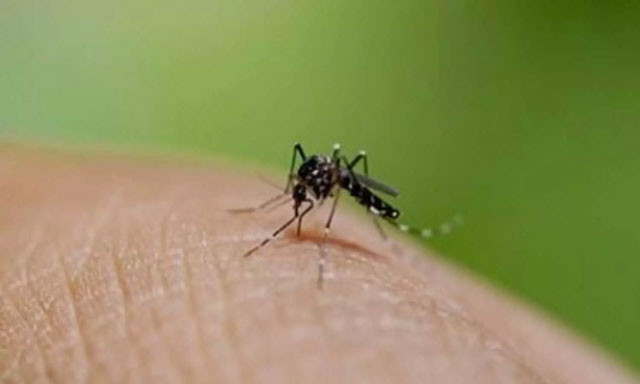
With the monsoon approaching, doctors have warned that stagnant water could create favourable conditions for mosquito breeding and increase the risk of dengue transmission.
They have called for intensified mosquito-control measures and greater public awareness to prevent a further rise in infections across the city.