Daijiworld Media Network - Tehran
Tehran, Sep 7: Iran-Oman negotiations on designating a temporary route for the safe passage of vessels through the Strait of Hormuz have reached their final stage, Iranian Foreign Ministry spokesman Esmaeil Baghaei said on Monday.
Baghaei said the understanding between the two countries on the route's designation is likely to be registered with the International Maritime Organisation in the coming days, Xinhua News Agency reported.
He attributed the insecurity in the strategic waterway to what he described as US-Israeli “military aggression” against Iran, saying vessels would not be able to navigate the route with confidence and security as long as the situation continued.
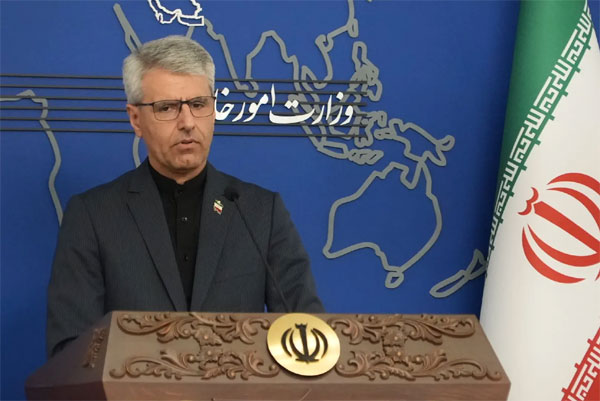
Responding to a question on a Qatari delegation's visit to Iran on Sunday, Baghaei said the visit was part of Qatar's efforts to de-escalate tensions in the region.
He added that contacts between Iran and several other regional countries seeking to help reduce tensions remain an ongoing process.
In a joint statement last month, Iran and Oman said they had exchanged views on a proposed phased framework that includes establishing a temporary joint shipping corridor in the Strait of Hormuz and implementing a joint project to clear mines from the waterway.
Technical talks between the two countries will continue on the designation of a permanent shipping corridor, the future administration of the strait, and mechanisms for information exchange, traffic management and security arrangements, the statement said.
Meanwhile, Iran's Supreme National Security Council Secretary Mohsen Rezaei has said Tehran would announce a restricted zone outside the Strait of Hormuz in the coming days and place ships attempting to transit the area on its sanctions list.
Speaking to state-run IRIB TV on Sunday night, Rezaei said the zone would extend from “the line where the US naval blockade begins to the Strait of Hormuz region and inside the Persian Gulf on the other side (of the strait).”
He said ships entering the zone without coordination with Iran could face sanctions affecting their insurance coverage and future passage through the waterway.
Rezaei described the proposed measure as part of a broader strategic shift in Iran's approach to the conflict and diplomacy, aimed at increasing pressure on Washington.