Daijiworld Media Network – Mumbai
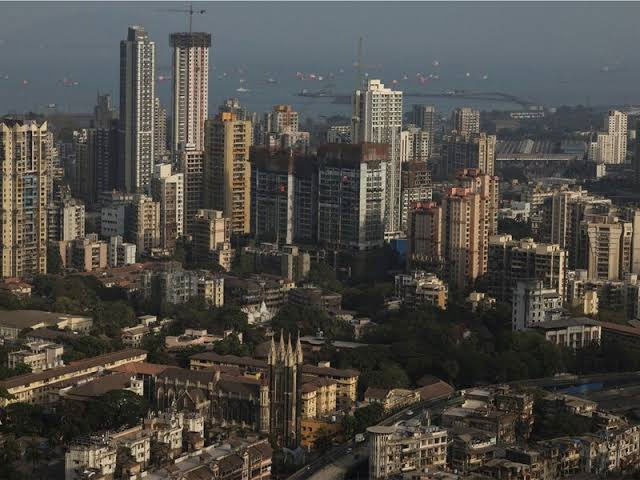
Mumbai, Jul 31: Mumbai's property market recorded its strongest July performance in 14 years, with 13,617 property registrations completed during the month, reflecting an 8.3 percent year-on-year increase, according to data released by the Maharashtra Department of Registrations and Stamps and analysed by Knight Frank India.
The state government collected Rs 1,223 crore in stamp duty during July, registering an 8.9 percent rise compared to the same month last year, highlighting sustained demand in the city's residential real estate market.
On a month-on-month basis, registrations increased by 2 percent from 13,413 units in June to 13,617 units in July, while stamp duty collections rose 13 percent from Rs 1,086 crore to Rs 1,223 crore.
Knight Frank India Chairman and Managing Director Shishir Baijal said Mumbai's residential market continues to demonstrate strong resilience despite a high comparative base.
"Mumbai's residential market continues to demonstrate remarkable depth, recording its strongest July performance in over 14 years despite a high comparative base. The sustained momentum reflects resilient end-user demand and enduring confidence in homeownership," he said.
Baijal noted that while transaction volumes remained largely stable, the increase in stamp duty collections indicated continued demand for higher-value residential properties.
The report highlighted a steady rise in property registrations over the past decade. Registrations increased from 5,139 units in July 2013 to 6,095 in July 2017. After falling sharply to 2,662 during the pandemic in July 2020, registrations recovered to 9,822 in July 2021, 11,340 in July 2022, 12,579 in July 2025 and reached 13,617 in July 2026.
Stamp duty collections also witnessed consistent growth over the years, increasing from Rs 287 crore in July 2013 to Rs 1,123 crore in July 2025 before reaching Rs 1,223 crore this July.
Baijal attributed the continued growth to Mumbai's strong economic fundamentals, infrastructure-led development and long-term investment potential, saying demand for quality residential projects remains healthy despite buyers becoming more selective.