Daijiworld Media Network – Melbourne
Melbourne, Jul 21: Antimicrobial resistance (AMR) among children is increasing worldwide and is expected to worsen over the next decade, threatening the effectiveness of life-saving antibiotics, according to a global study published in JAMA Pediatrics.
The research, led by the Murdoch Children's Research Institute (MCRI) in collaboration with the University of Sydney, the Clinton Health Access Initiative (CHAI) and the Chinese University of Hong Kong, analysed more than 106,000 infection samples from children aged up to 18 years across 82 countries.
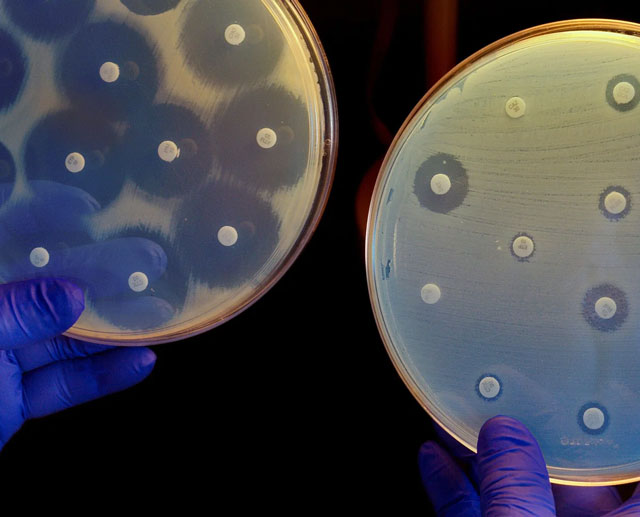
The study found that antibiotic resistance increased in every region between 2004 and 2022, with babies, children in intensive care units and those living in low-resource countries being the most affected.
Researchers said the rise is being driven largely by Gram-negative bacteria responsible for severe infections such as sepsis and pneumonia. Resistance increased most sharply against 'Watch' and 'Reserve' antibiotics, categories identified by the World Health Organization (WHO) for restricted use to preserve their effectiveness when first-line treatments fail.
MCRI Associate Professor Penelope Bryant said the findings highlighted a growing gap between recommended antibiotic use and their real-world effectiveness, underscoring the need for stronger surveillance, improved antimicrobial stewardship and better access to effective medicines for children.
The research team has also launched the AMR in Kids online platform, which allows clinicians, researchers and policymakers to examine antibiotic resistance patterns by country, bacteria and antibiotic class. The platform also provides forecasts up to 2035 to help identify emerging threats and guide treatment and public health planning.
Dr Yanhong Jessika Hu of MCRI and the University of Sydney said combining nearly two decades of global data with predictive modelling would help identify where resistance is likely to emerge before it becomes a major clinical challenge.
Antimicrobial resistance occurs when bacteria evolve to survive antibiotic treatment, making infections increasingly difficult to treat. Children are particularly vulnerable because they experience high rates of bacterial infections and have fewer antibiotic treatment options than adults. In 2021, around 840,000 deaths among children under the age of five were associated with antimicrobial resistance.
The study identified two Gram-negative bacteria as major drivers of global resistance. Acinetobacter baumannii, commonly associated with hospital-acquired bloodstream infections and pneumonia, showed the highest overall resistance levels. Klebsiella, which causes urinary tract infections and liver abscesses, recorded the fastest increase in resistance, particularly in Southeast Asia, Eastern Europe and the Western Pacific.
Researchers projected that by 2035, resistance to last-line carbapenem antibiotics could reach 82 per cent in Acinetobacter baumannii and 35 per cent in Klebsiella, raising concerns over the future effectiveness of critical treatments.
Associate Professor Bryant said children have long been overlooked in global antibiotic resistance surveillance despite facing unique treatment challenges.
She called for targeted measures, including regulating antibiotic use, improving sanitation and expanding access to diagnostic facilities and first-line antibiotics in low-income countries. In wealthier nations, she stressed the need to reduce unnecessary antibiotic use in healthcare, agriculture and veterinary practice while strengthening infection-control measures.
The researchers also advocated the development of child-friendly antibiotic formulations, clearer dosing guidelines and greater investment in clinical trials aimed at safely reducing antibiotic use.
The study highlighted the case of 13-year-old Harry, who was born with kidney failure and has depended on antibiotics throughout his life to prevent infections following a kidney transplant. His mother, Eileen, said antibiotic resistance has already limited treatment options for him and described the new AMR in Kids platform as a potential game changer in improving antibiotic prescribing practices and raising awareness about antimicrobial resistance.
Researchers from The Royal Children's Hospital, Brown University and the University of Melbourne also contributed to the study.