Daijiworld Media Network – New Delhi
New Delhi, Jul 15: While the monsoon season is often associated with mosquito-borne diseases such as dengue and malaria, doctors have warned that food and water-borne infections also rise sharply during this period due to contaminated water and unhygienic conditions.
According to Dr Tushar Goyal, Consultant Physician at Kailash Hospital, Greater Noida, heavy rainfall, waterlogging and poor sanitation create ideal conditions for the spread of bacteria, viruses and parasites, increasing the risk of illnesses such as food poisoning, gastroenteritis, typhoid, cholera and hepatitis A.
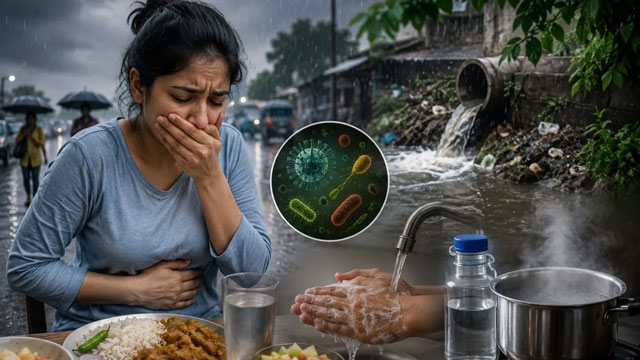
He explained that flooding often contaminates drinking water sources with sewage, while the warm and humid weather accelerates the growth of harmful microorganisms in food. Eating contaminated food, drinking unsafe water, consuming uncovered street food, or failing to store cooked food properly can significantly increase the risk of infection.
Among the most common monsoon-related stomach illnesses is acute gastroenteritis, which causes diarrhoea, vomiting, stomach cramps and dehydration. While most patients recover with adequate fluids, severe dehydration can be life-threatening, particularly for young children and the elderly.
Typhoid, caused by contaminated food and water, typically presents with prolonged fever, fatigue, abdominal pain and loss of appetite. Cholera, though less common, can cause severe watery diarrhoea and rapid dehydration if left untreated. Hepatitis A, a viral infection spread through contaminated food and water, may lead to fever, vomiting, abdominal pain, fatigue and jaundice.
Doctors advise seeking immediate medical attention if symptoms such as persistent diarrhoea, repeated vomiting, high fever, severe abdominal pain, blood in stools, dizziness, weakness or signs of dehydration—including dry mouth and reduced urine output—develop.
Health experts recommend several preventive measures during the rainy season, including drinking only boiled or purified water, eating freshly prepared food, avoiding uncovered street food and cut fruits sold outdoors, washing hands thoroughly before meals, cleaning fruits and vegetables properly, and refrigerating leftover food promptly.
Infants, elderly people, pregnant women and individuals with diabetes or weakened immunity are particularly vulnerable to dehydration and infections during the monsoon and should take extra care to maintain food hygiene and stay well hydrated.
Doctors emphasise that while mosquito-borne diseases receive considerable attention during the rainy season, stomach infections remain a significant health concern and can largely be prevented through safe food and water practices.