Daijiworld Media Network - Tehran
Tehran, Jun 19: Iran’s Supreme National Security Council (SNSC) has announced measures to facilitate maritime traffic through the Strait of Hormuz following the signing of a new memorandum of understanding (MoU) between Tehran and Washington aimed at reducing regional tensions.
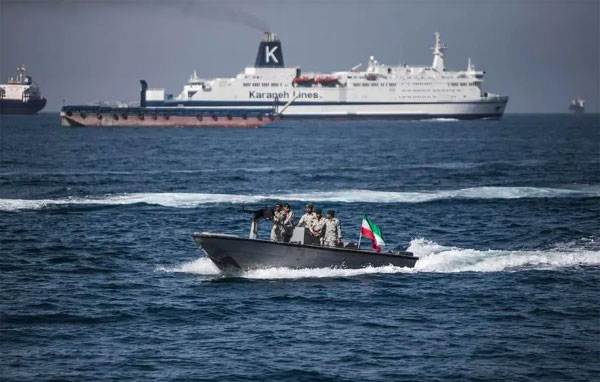
According to an official statement carried by Iranian media, Iran will waive transit fees for ships passing through the strategically important waterway for the next 60 days. The costs associated with the initiative will be fully borne by the Iranian government.
The announcement came hours after Iranian President Masoud Pezeshkian and US President Donald Trump electronically signed the agreement, which is intended to promote stability and ease conflicts across the region.
Under the new arrangement, all vessels seeking to transit the Strait of Hormuz must submit their requests to the Persian Gulf Strait Authority (PGSA), which will oversee and coordinate maritime movement.
Iranian authorities stated that, due to existing navigational risks and safety concerns in certain sections of the route, ships will be required to adhere strictly to designated transit schedules and approved passage corridors to minimise the risk of accidents and ensure safe movement.
The SNSC said maritime traffic through the strait is expected to gradually increase, while additional technical guidelines and operational procedures will be released by the PGSA in the coming days.
Iran, the United States and Pakistan had earlier announced the finalisation of the MoU, which seeks to reduce hostilities across several fronts, including Lebanon. The formal signing by Pezeshkian and Trump took place electronically on Thursday.
Meanwhile, the US administration is preparing for what officials describe as a critical phase in diplomatic engagement with Iran.
Speaking at a White House briefing, US Vice President JD Vance said the next 60 days would be decisive in determining whether the preliminary agreement evolves into a long-term settlement or collapses due to decades of mistrust between the two nations.
Vance outlined Washington’s strategy for implementing the accord, emphasising that any future economic benefits for Iran would depend on verified actions rather than verbal assurances.
“The 60-day period officially started today,” Vance told reporters, describing it as a crucial window for building confidence between both sides.
The administration also indicated that the coming weeks would focus on advancing discussions related to Iran’s nuclear programme, its regional activities and the broader framework for future relations between Tehran and the international community.
Officials from both sides are expected to continue negotiations as they work toward converting the initial framework agreement into a comprehensive and lasting settlement.