Daijiworld Media Network - Mumbai
Mumbai, Jun 6: Post-surgery radiation therapy can significantly reduce the risk of cancer recurrence in patients with high-risk muscle-invasive bladder cancer (MIBC), according to findings from a phase-3 clinical trial conducted by researchers in India.
The study, led by scientists from the Tata Memorial Centre and published in the Journal of Clinical Oncology, suggests that radiotherapy administered after bladder removal surgery and chemotherapy improves local disease control and may also offer benefits for disease-free and overall survival.
The phase-3 randomised controlled trial was carried out at four academic centres across India and involved 153 patients with non-metastatic MIBC. Of the participants, 71 per cent received chemotherapy before surgery, while 20 per cent underwent chemotherapy after surgery.
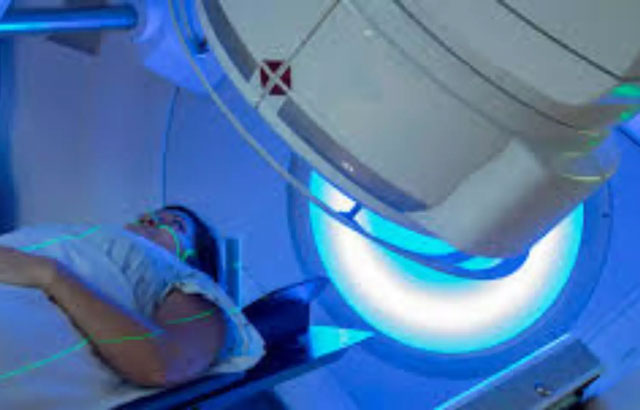
Radiotherapy was initiated within eight weeks of surgery or completion of chemotherapy. After a median follow-up period of 47 months, researchers found that the primary outcome—two-year locoregional recurrence-free survival—was significantly higher among patients who received radiotherapy.
The study reported a two-year locoregional recurrence-free survival rate of 87.1 per cent in the radiotherapy group, compared to 76 per cent among patients who were only observed after treatment.
“Adjuvant pelvic IMRT (intensity-modulated radiation therapy) after radical cystectomy and perioperative chemotherapy suggests an improvement in locoregional control in patients with high-risk urothelial MIBC with no additional severe toxicity,” the researchers wrote.
Patients receiving radiotherapy also showed better outcomes in disease-free survival, bladder cancer-specific survival and overall survival. Disease-free survival was recorded at 71.6 per cent in the radiotherapy group compared to 58.7 per cent in the observation group. Bladder cancer-specific survival stood at 79.6 per cent versus 65 per cent, while overall survival rates were 70.4 per cent and 57.4 per cent respectively.
However, the researchers noted that these improvements did not reach statistical significance.
Among patients whose disease returned, around 31 per cent developed distant metastases, with similar rates seen in both groups. Locoregional recurrence, however, was significantly lower in patients treated with pelvic radiotherapy, occurring in 7.9 per cent of cases compared to 25.6 per cent in the observation group.
The researchers said the findings support the inclusion of adjuvant pelvic IMRT as part of the treatment strategy for patients with high-risk MIBC, as it improves local disease control without causing substantial additional toxicity.
The team also highlighted certain limitations of the study. Fourteen patients did not receive the planned radiotherapy treatment, and the absence of immunotherapy in the trial means the results may not fully reflect current treatment practices.
Despite these limitations, the study provides important evidence supporting the role of radiotherapy in improving outcomes for patients with high-risk muscle-invasive bladder cancer following surgery and chemotherapy.