Daijiworld Media Network - Cambridge
Cambridge, Jun 6: Scientists at the University of Cambridge have reported a major breakthrough in vaccine technology, developing an artificial intelligence-designed vaccine capable of protecting against an entire family of viruses rather than a single strain, raising hopes of preventing future pandemics before they emerge.
The experimental vaccine, described as a “universal vaccine”, has successfully completed its first human clinical trial and was found to be safe and well tolerated. Researchers say it generated immune responses against multiple coronaviruses, including SARS-CoV-2, SARS and related bat viruses that could potentially infect humans in the future.
Unlike conventional vaccines that target specific virus strains, the new approach uses artificial intelligence and machine learning to analyse genetic information from an entire virus family. The technology then identifies common features shared across those viruses and combines them into a single “super-antigen” capable of training the immune system to recognise a broad range of threats.
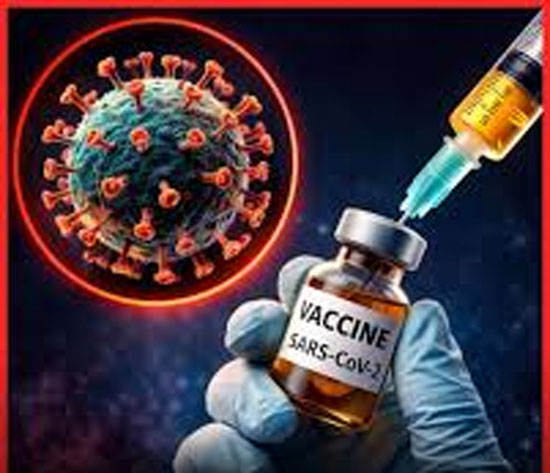
Researchers said the vaccine was designed to protect against members of the Sarbecovirus family, which includes Covid-19, SARS and several animal-borne coronaviruses with pandemic potential. The long-term goal is to create vaccines that remain effective even as viruses mutate or new strains emerge.
Professor Jonathan Heeney, who led the research at Cambridge's Laboratory of Viral Zoonotics, said the technology could shift vaccine development from a reactive model to a future-proof system capable of staying ahead of evolving pathogens.
The first-stage trial involved healthy volunteers and demonstrated the safety of the vaccine. Researchers are now preparing larger Phase II trials involving more than 200 participants to further evaluate its effectiveness.
Scientists believe the same AI-driven platform could eventually be adapted to develop broader vaccines against other virus families, including influenza and Ebola. Experts have described the breakthrough as a significant shift in global pandemic preparedness and a potential game changer in vaccine development.
The findings mark the first time a vaccine whose key active component was designed entirely using artificial intelligence has been tested in humans, highlighting the growing role of AI in advancing medical research and public health.