Daijiworld Media Network - New Delhi
New Delhi, May 30: Despite the ongoing conflict involving Iran and the continued disruption of maritime traffic through the Strait of Hormuz, India has managed to keep key shipping routes operational, ensuring the movement of energy supplies and essential cargo through one of the world’s most critical waterways.
Since Iran entered the war on February 28, the Strait of Hormuz — through which nearly 20 per cent of the world’s oil and natural gas supplies pass — has remained largely affected by the conflict. Although active hostilities ceased following an April 9 ceasefire, maritime movement through the strategic passage continues to face significant challenges.
The disruption has triggered concerns over global energy security, fuel prices and economic stability, particularly across Asia. However, Indian-linked vessels have continued to navigate the high-risk route, helping maintain the country’s energy supply chain.
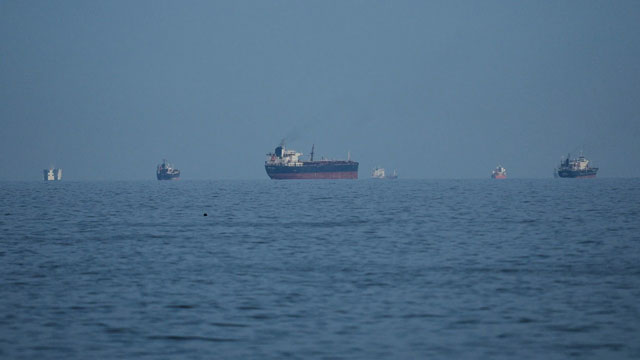
Addressing an inter-ministerial briefing on Friday, shipping ministry officials revealed that India has been closely coordinating with various stakeholders to facilitate the movement of vessels through the region.
Opesh Kumar Sharma, Director of Shipping at the Ministry of Ports, said operational coordination is being carried out through the Ministry of External Affairs (MEA), though he declined to disclose specific details due to security considerations.
“In terms of priority, it is decided in coordination with the Ministry of Petroleum and Natural Gas, the Ministry of Fertilisers and other concerned agencies. Based on these priorities, efforts are made to facilitate the movement of ships,” Sharma said.
According to official data, 13 Indian-flagged vessels are currently operating in the Strait of Hormuz region. These include one LPG tanker, five crude oil tankers, one chemical or product tanker, three container vessels, two bulk carriers and one dredger.
Several Indian-linked ships have successfully transited the waterway since the conflict began. These include Shivalik, Nanda Devi, Jag Laadki, Pine Gas, Jag Vasant, BW Tyr, BW Elm and Green Sanvi.
Iran, which holds a strategic position overlooking the Strait, has repeatedly targeted vessels in response to US-Israeli military actions that triggered the conflict. As a result, several global shipping operators have reduced or suspended operations through the route due to security concerns.
Officials were also questioned about publicly accessible ship-tracking platforms and whether such information could pose security risks during the crisis.
Responding to the concern, Sharma said these are commercial applications available through subscriptions and are widely accessible.
“Any data in the public domain can be used in different ways depending on the intention of the user. At present, the information is helping authorities as well as the public monitor vessel movements,” he said.
While ship traffic through the Strait has slowed considerably since the escalation of hostilities, India continues to remain among the countries with the highest number of vessels navigating the route, underscoring its efforts to safeguard vital trade and energy supplies amid ongoing regional uncertainty.