Daijiworld Media Network - New Delhi
New Delhi, Apr 27: Hormonal health often goes unnoticed in daily life until symptoms such as delayed periods, fatigue, or mood swings begin to surface. However, doctors say the underlying causes are frequently linked to everyday lifestyle habits rather than major medical conditions.
According to Dr Prerna Goyal, Senior Consultant in Internal Medicine at RG Hospitals, Ludhiana, factors such as stress, inadequate sleep, and excessive screen time can significantly disrupt the body’s hormonal balance, affecting menstrual cycles, metabolism, mood, and fertility.
She explained that prolonged stress leads to increased production of cortisol, a hormone that can interfere with communication between the brain and reproductive organs. Over time, this imbalance may result in irregular periods, severe premenstrual symptoms, acne, weight changes, and even difficulty in conceiving. Many women also experience irritability, anxiety, and persistent fatigue, symptoms that often go unrecognised as hormone-related.
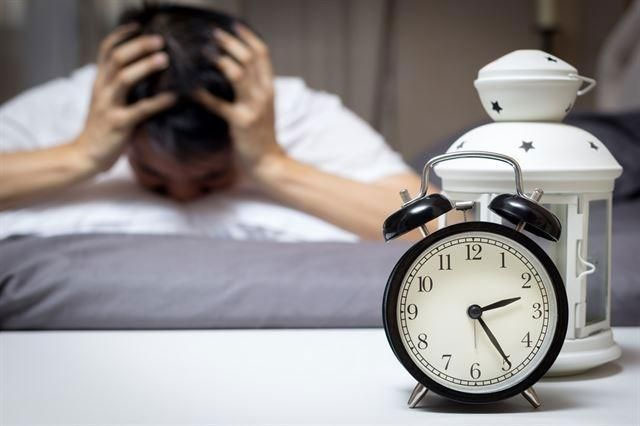
Sleep, she noted, plays a crucial role in regulating hormones such as cortisol, insulin, melatonin, and sex hormones. Even a few nights of poor sleep can impact stress response and insulin sensitivity, leading to cravings, mood fluctuations, and further imbalance.
Excessive screen time, especially before bedtime, adds to the problem. Exposure to blue light from phones and laptops suppresses melatonin, the hormone responsible for sleep regulation. This keeps the brain alert when it should be winding down, affecting sleep quality and, in turn, hormonal stability.
Doctors emphasise that these factors often overlap. Stress can lead to late-night screen use, which disrupts sleep, making it harder to cope with stress the following day. This cycle, if prolonged, can manifest through symptoms like bloating, acne, fatigue, irregular periods, and mood swings.
Experts suggest that small lifestyle changes can help restore balance. Maintaining a consistent sleep schedule, reducing screen exposure before bedtime, managing stress through light exercise or relaxation techniques, and following a healthy diet are key steps. If symptoms persist, consulting a doctor is advised to rule out conditions such as Polycystic Ovary Syndrome or thyroid disorders.
Doctors underline that hormonal health is closely tied to daily habits, and early attention to seemingly minor lifestyle patterns can play a crucial role in preventing long-term imbalance.